
 Português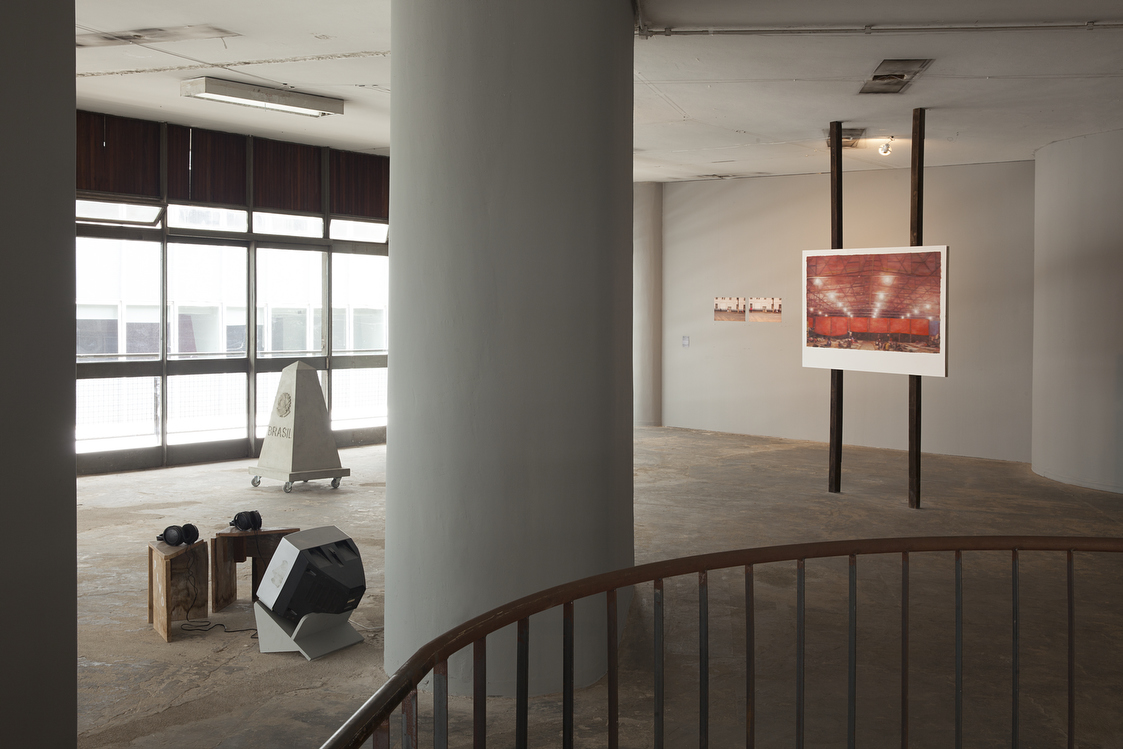
Pivô hosts Regina Parra’s solo exhibition
É Possível, Mas Não Agora exhibits artworks produced by the artist during her residency in the Pivô Pesquisa programme.
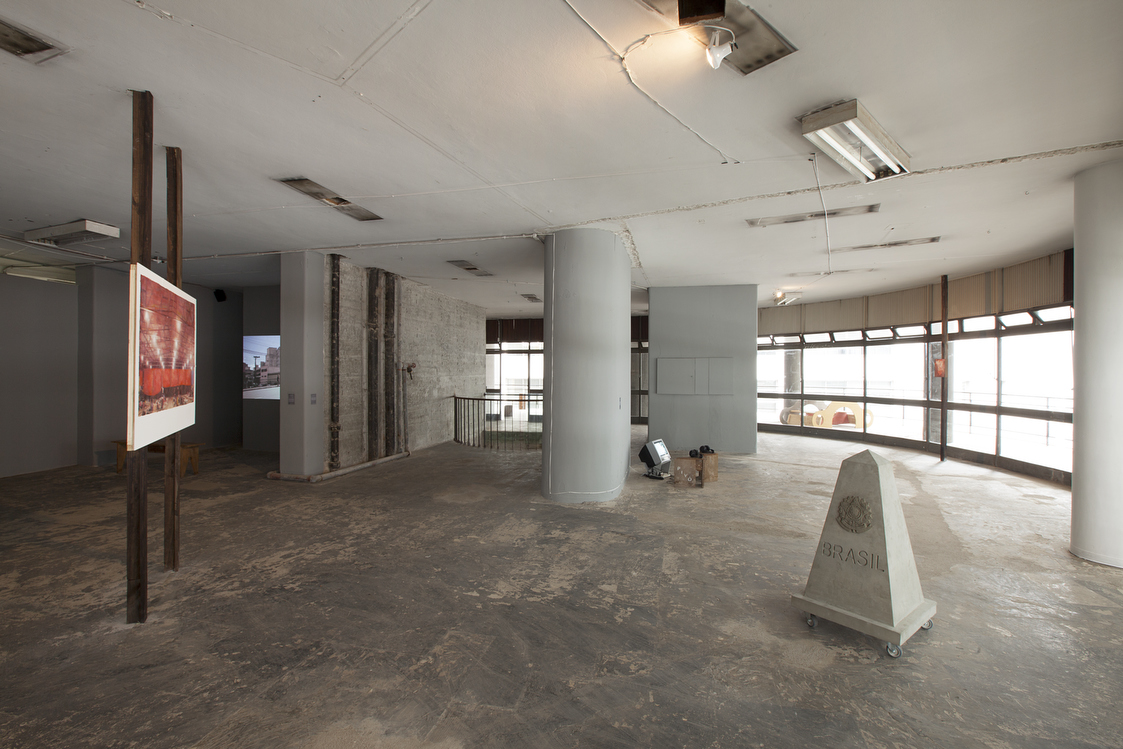
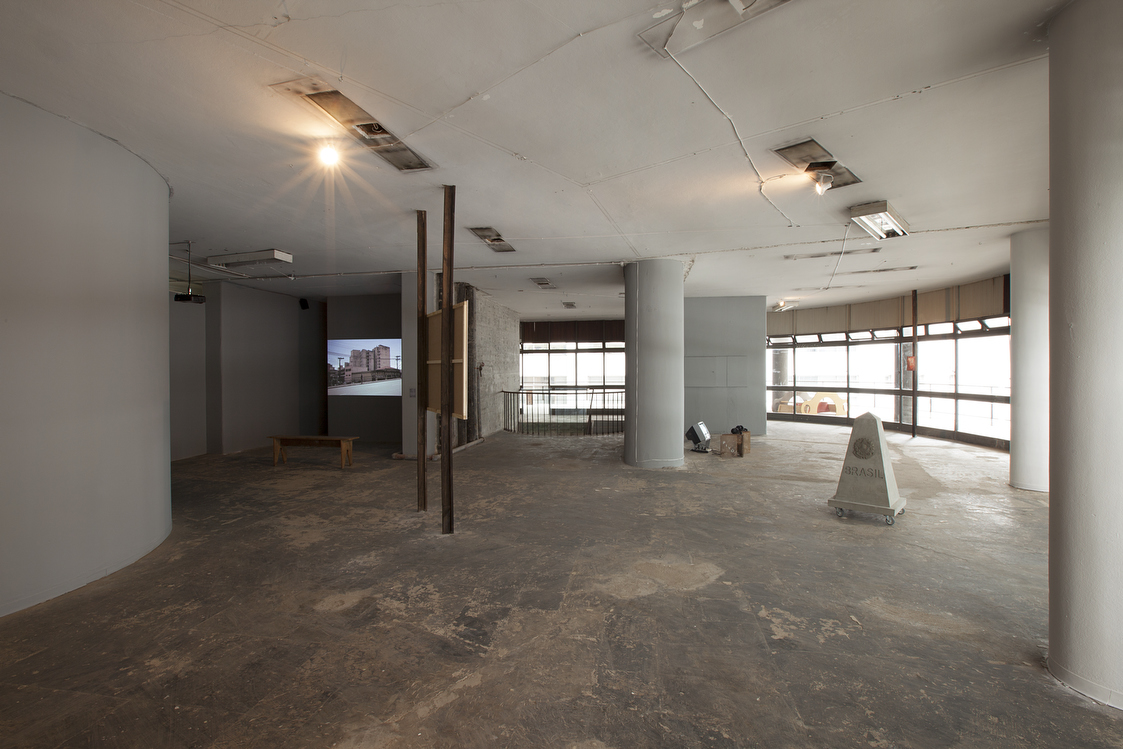
The show É Possível, Mas Não Agora occupies several exhibition spaces at Pivô, incorporating video, installation and painting by artist Regina Parra who, over recent months, has worked in dialogue with Ana Maria Maia, the exhibition’s curator. The works displayed merge the frontiers between reality and desire, inclusion and exclusion, the I and the other, stemming from the artist’s observations on migration movements.
According to the curator, “the exhibition intersperses the documental and the metaphorical, and is placed in the gap between the beginning of an ethnographic exercise (or human geography) on recent immigration to São Paulo and essays on the act of migrating, being a foreigner, and the fruits of search and desire”.
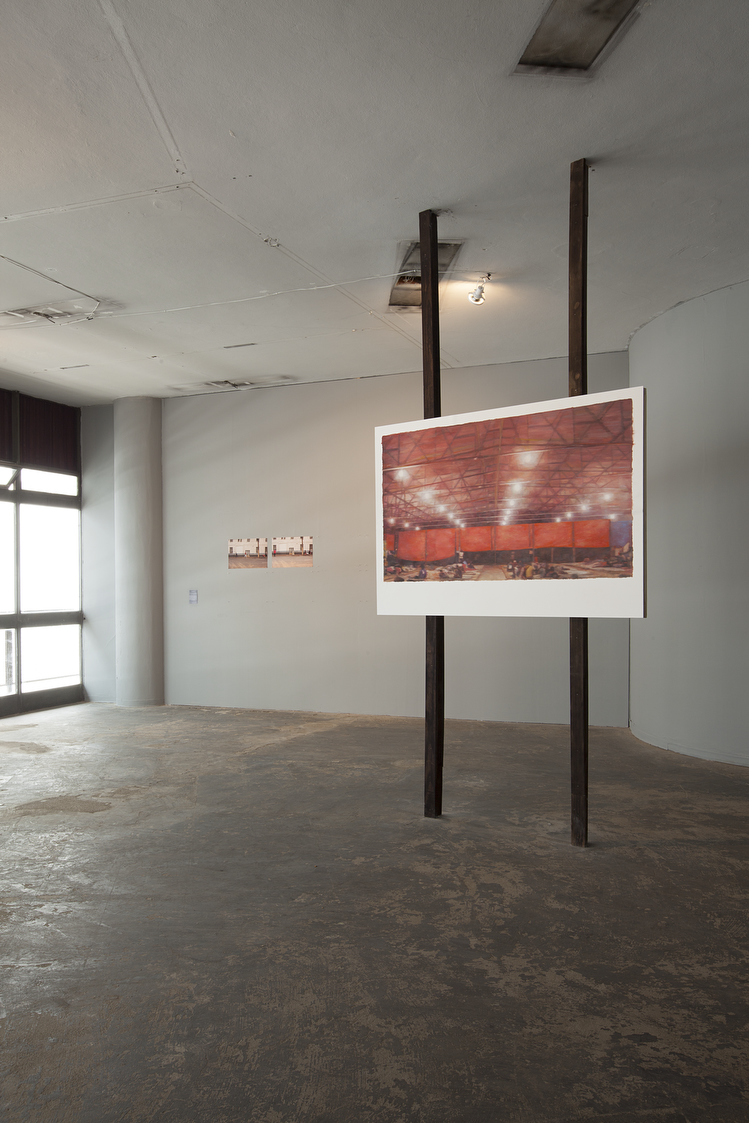
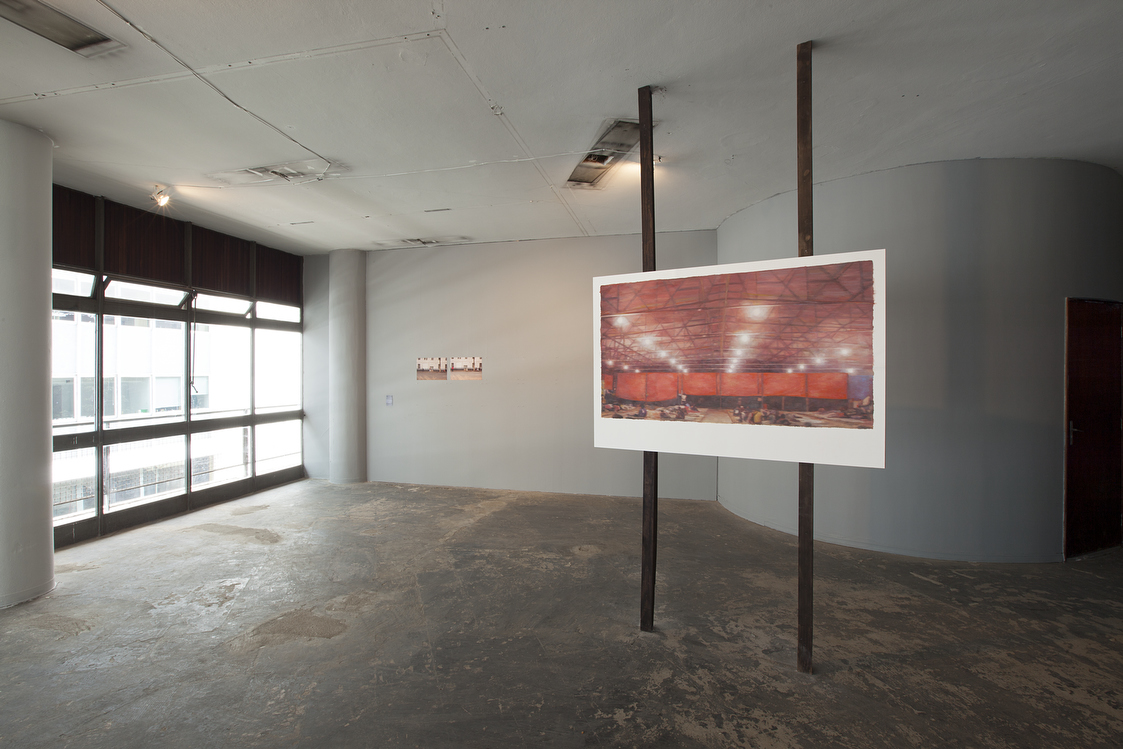
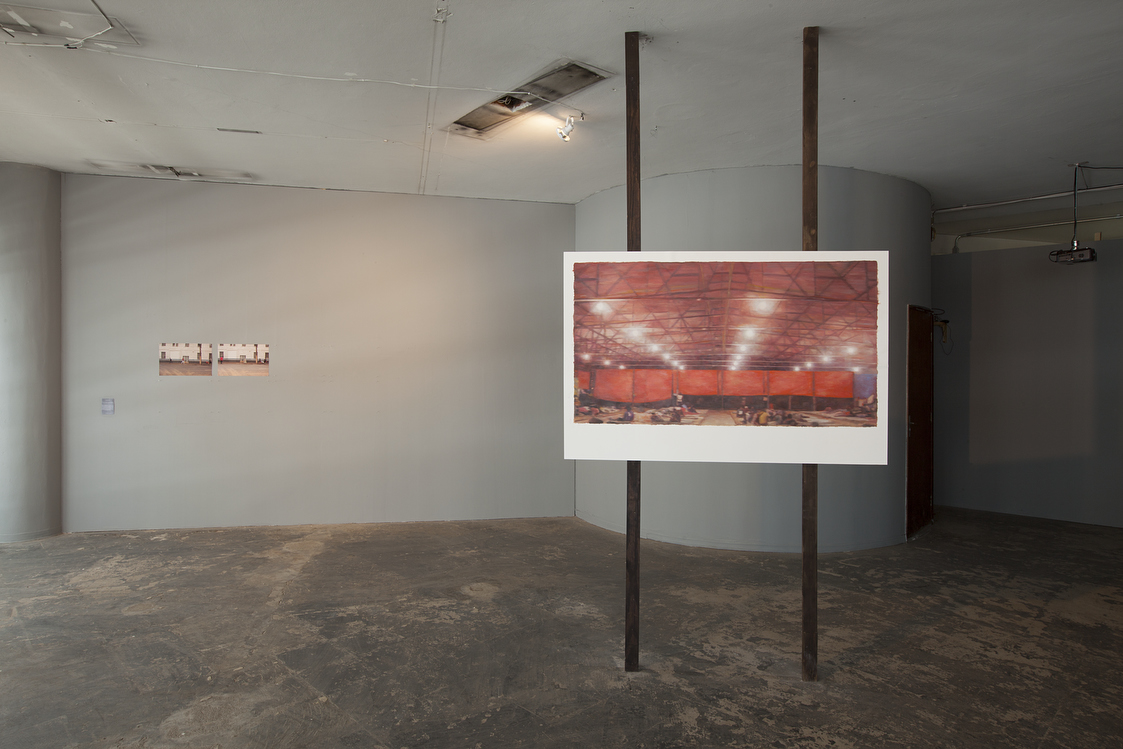
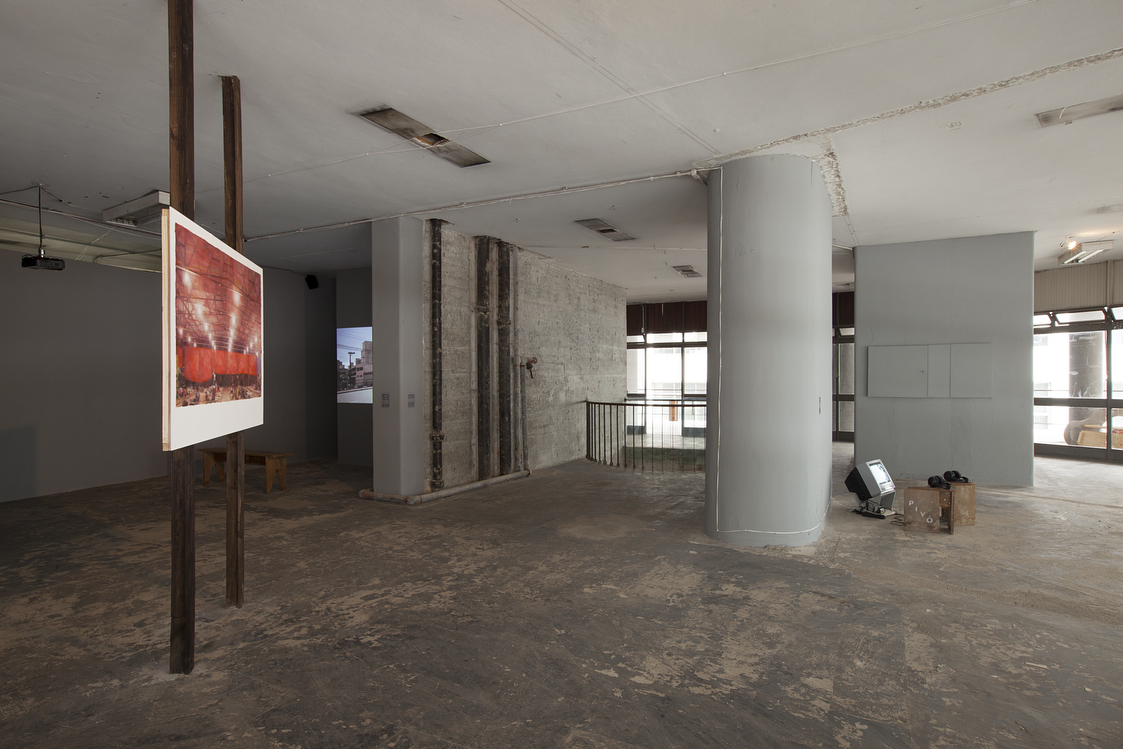
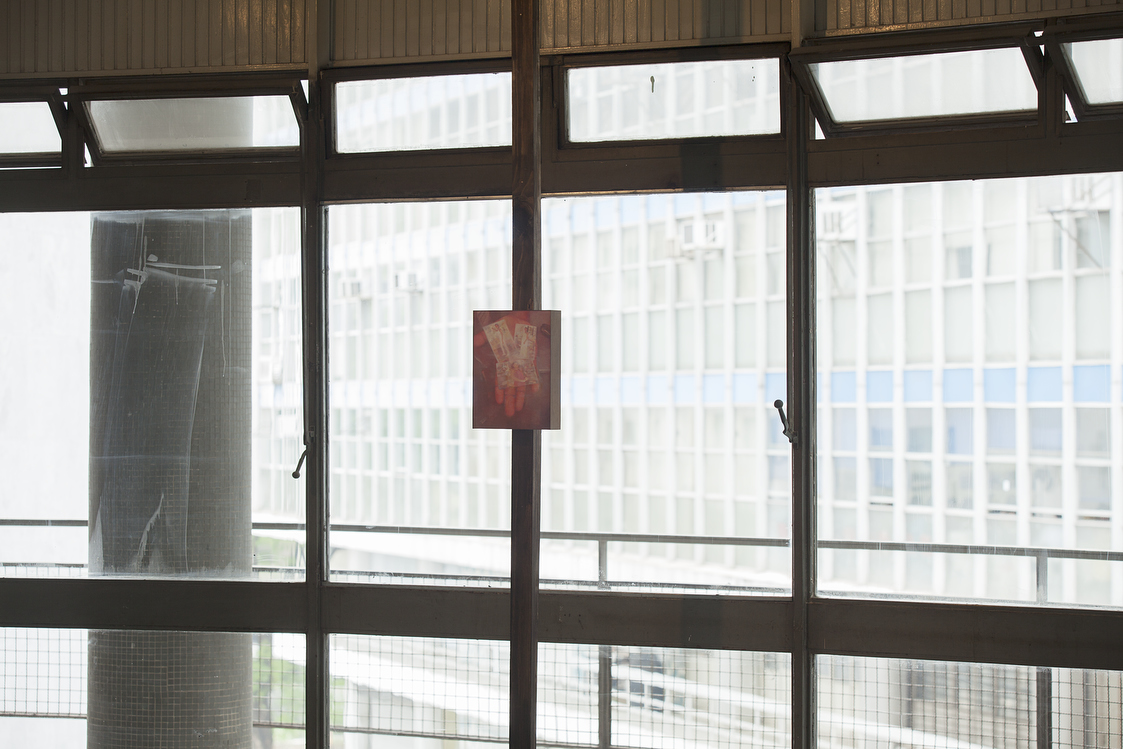
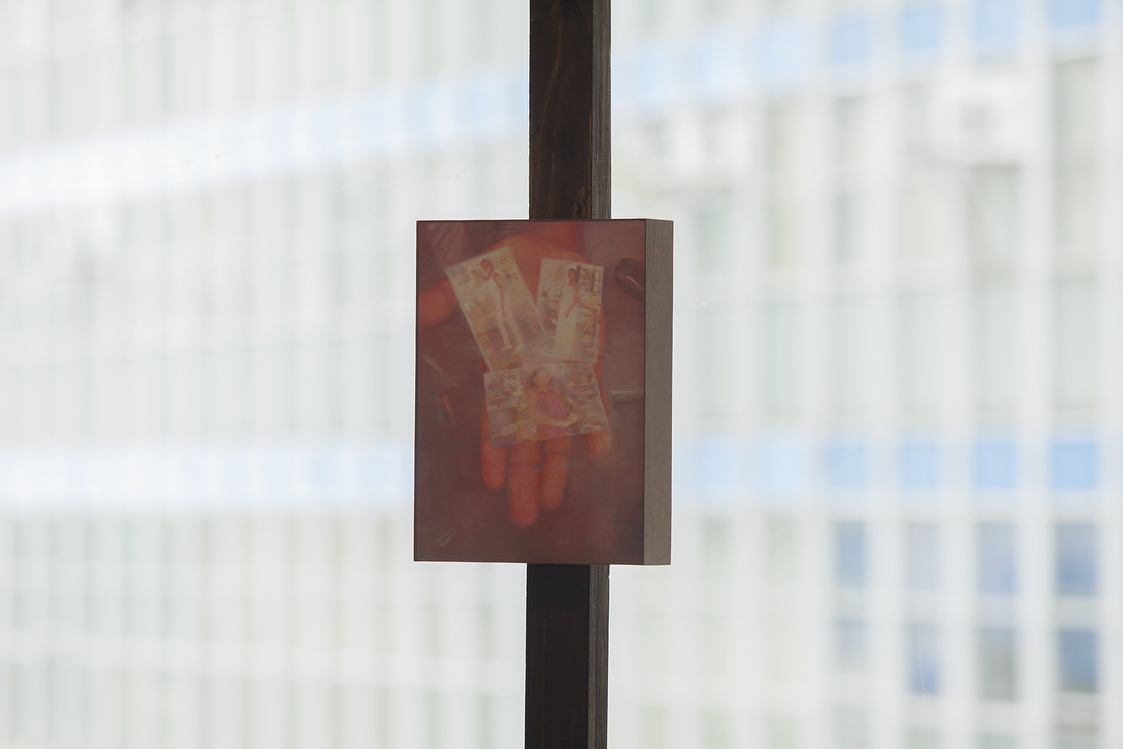
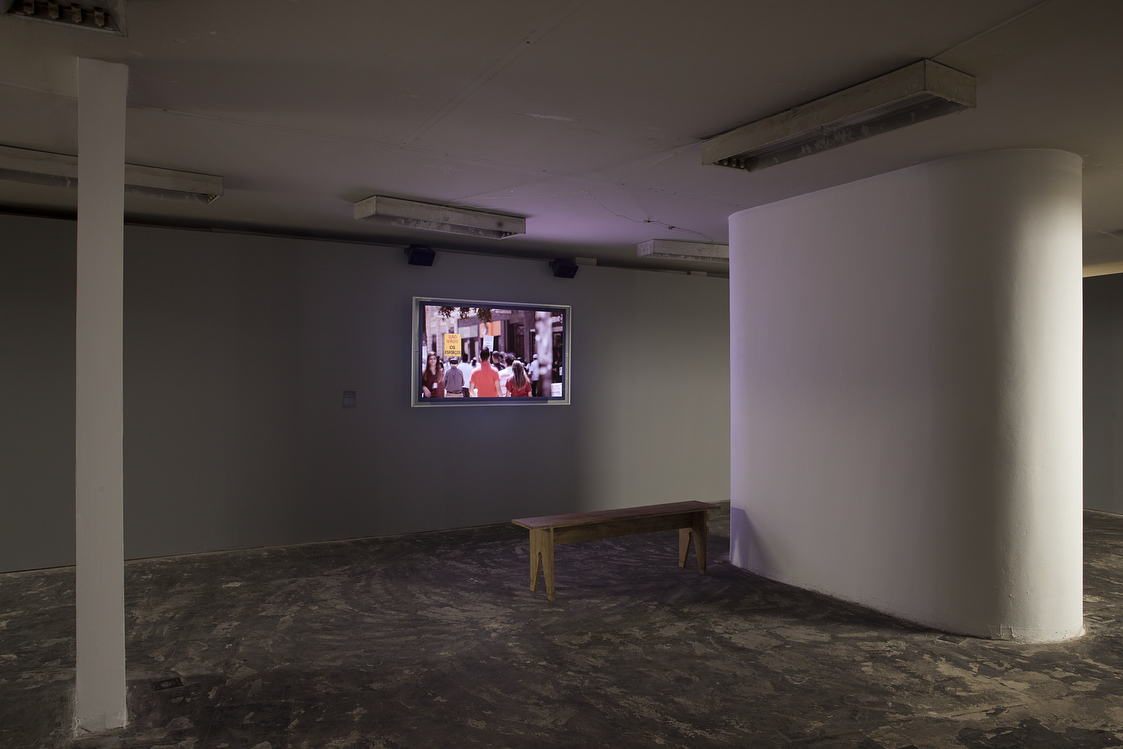
In the video São Vãos os Esforços, a human billboard ditches his usual sandwich board slogan “I buy gold” to advertise impossibilities. The painting Zona de Espera captures the idle time that is typical of places of transition and temporary shelters.
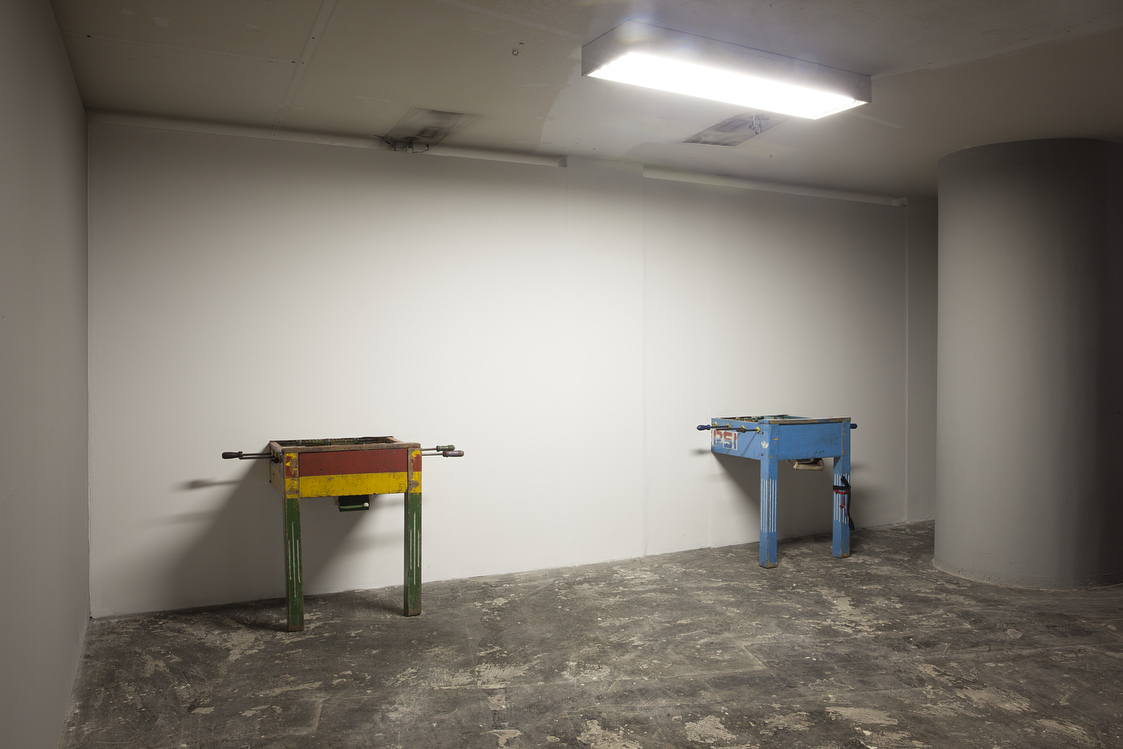
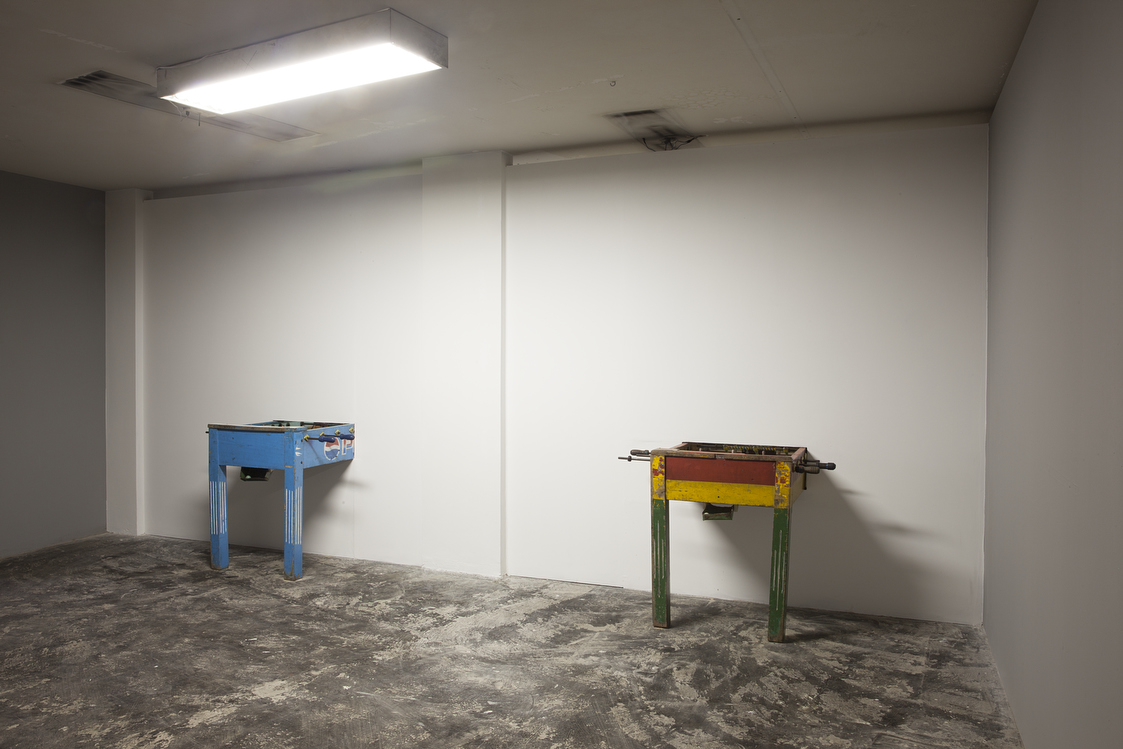
A foosball table brought from Bolivia by immigrants traverses the exhibition room wall. The installation Metegol is at the same time an invitation to meet and its own negation.
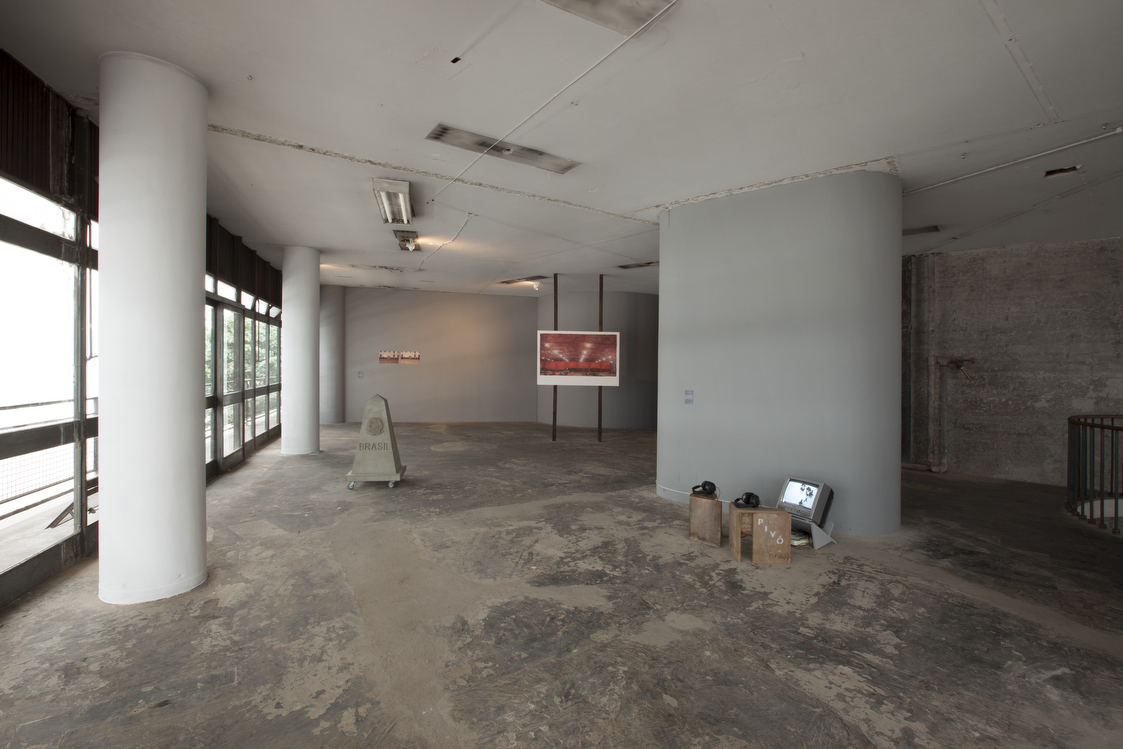
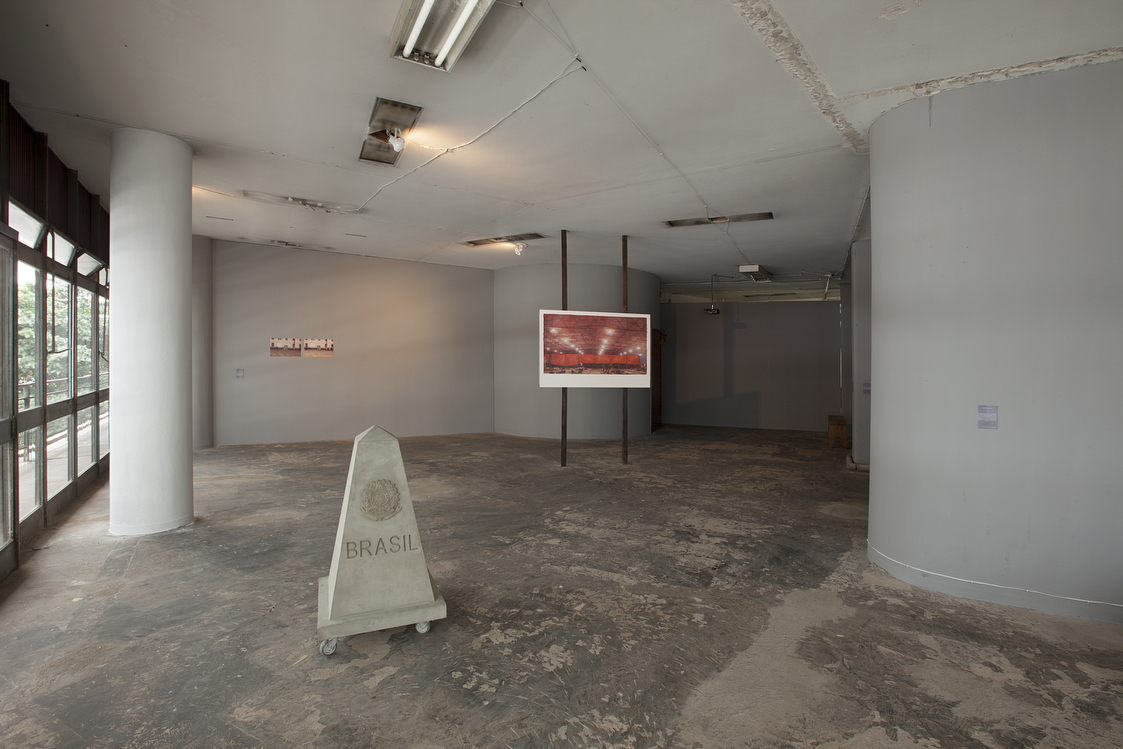
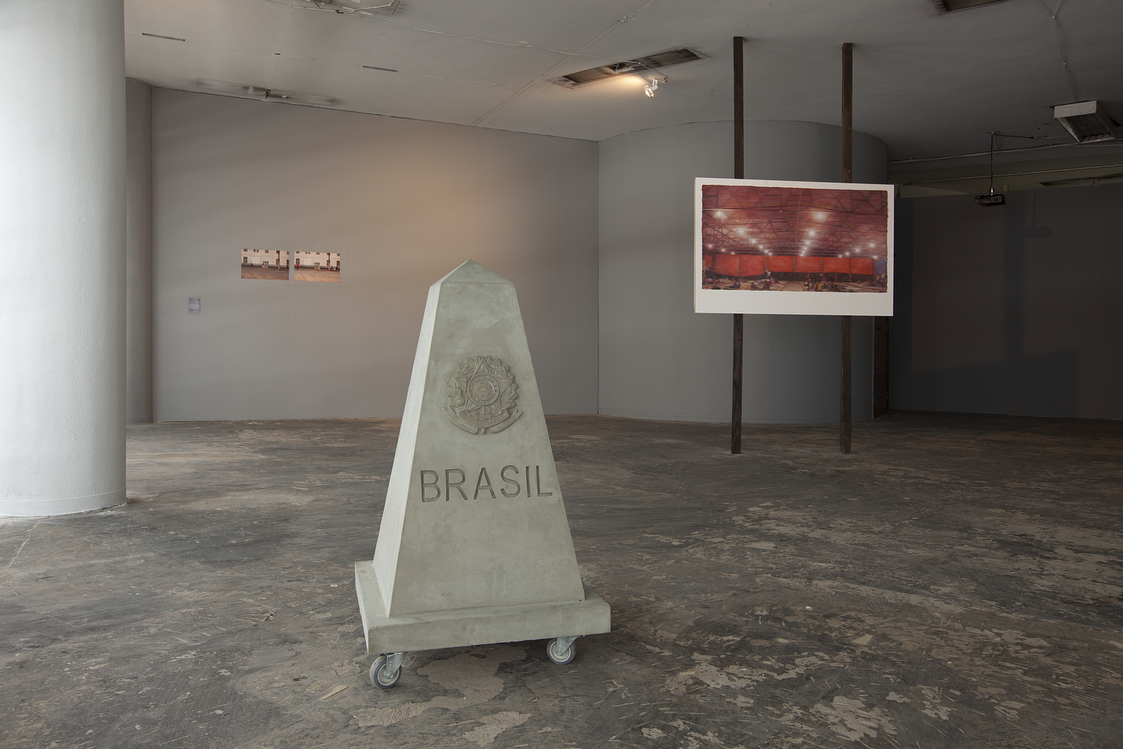
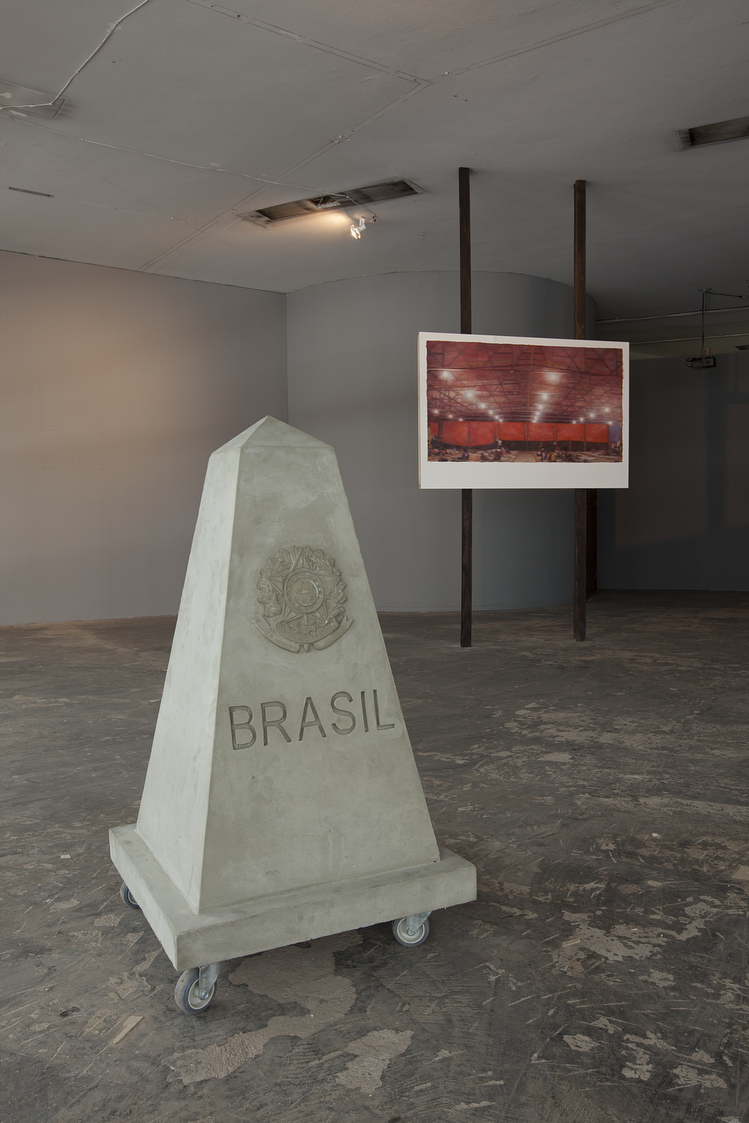
Frontier landmarks – pieces made of solid wood or concrete used to demarcate territories – gain mobility in the world of fluid limits of Política Sem Imaginação É Burocracia.
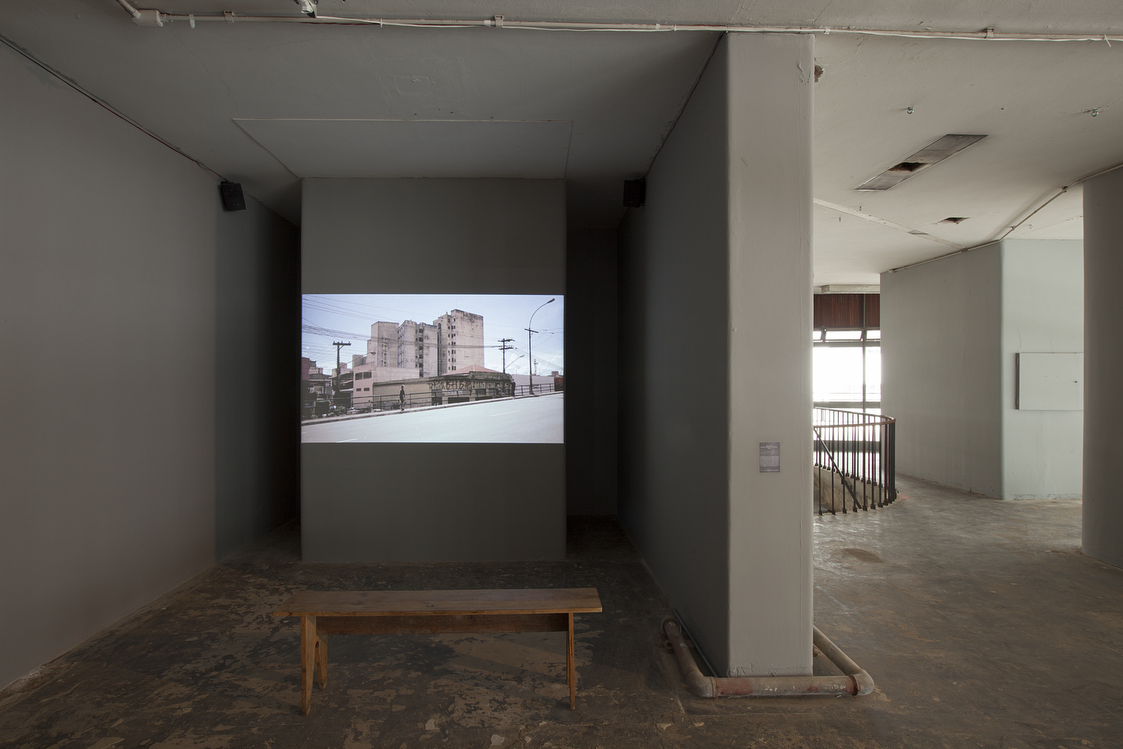
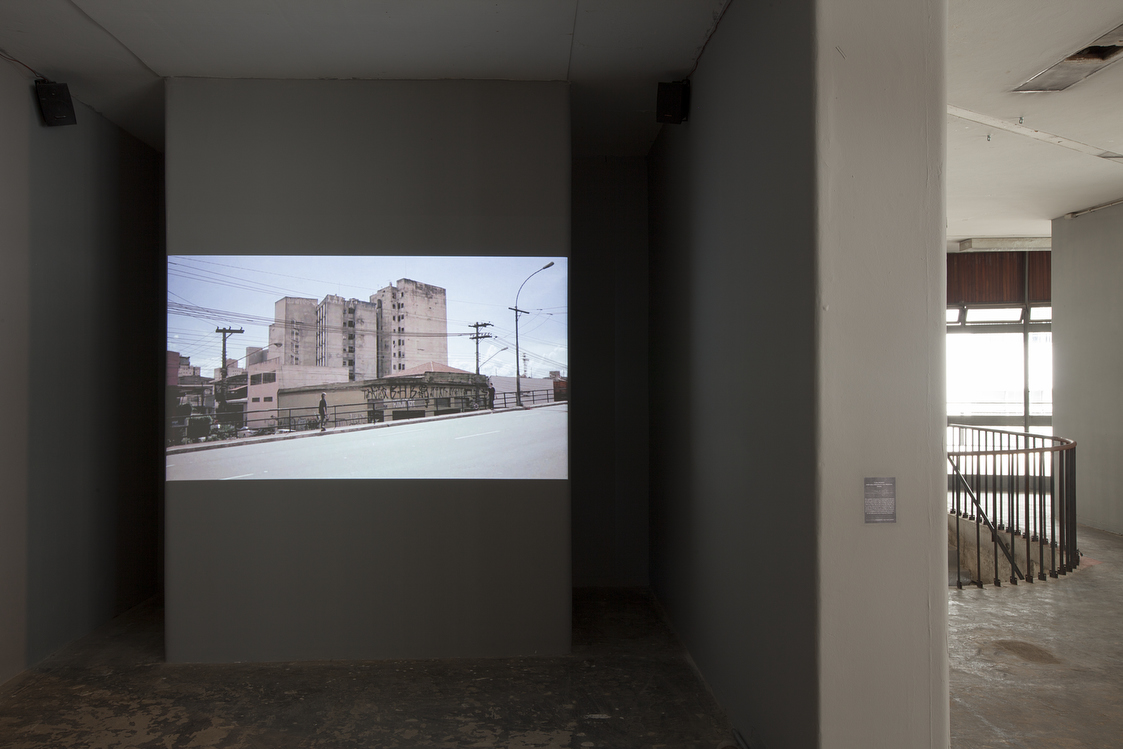
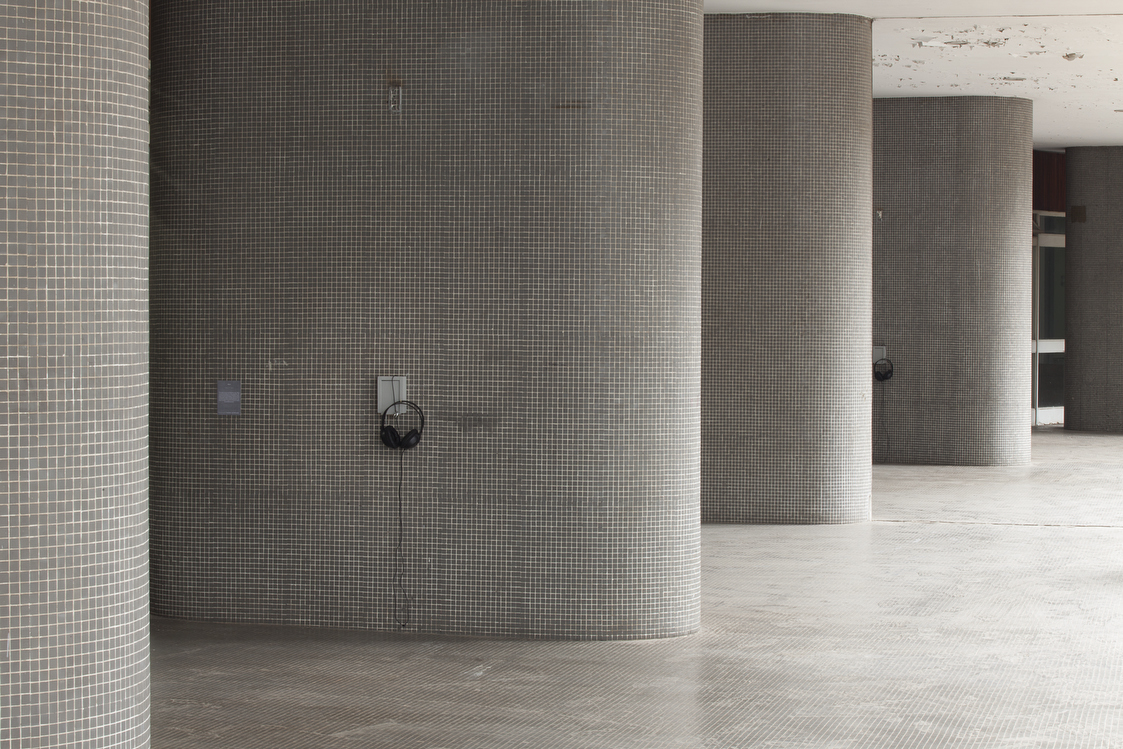
An award winner at the Fundação Joaquim Nabuco Video-Art Competition, the video 7.536 passos follows the artist on a walk from central Praça da Sé to Brás, a region in the East of São Paulo that is a frequent destination for illegal immigrants. Her journey is solely guided by the sound of a radio tuned to frequency 94.3 FM, which is an empty frequency used by pirate radio broadcasting outside state control.
According to curator and researcher Moacir dos Anjos, Regina Parra “crosses the frontiers within the city and creates – step-by-step – a geography of proximity”.

Pivô hosts Regina Parra’s solo exhibition
É Possível, Mas Não Agora exhibits artworks produced by the artist during her residency in the Pivô Pesquisa programme.
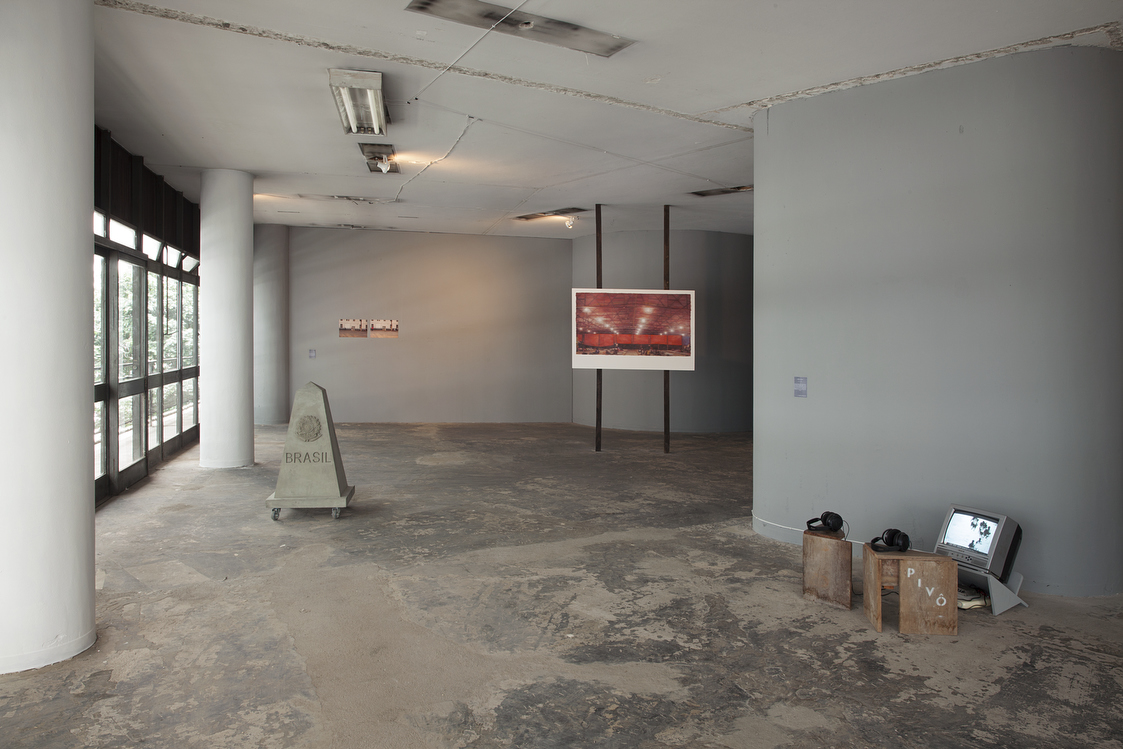
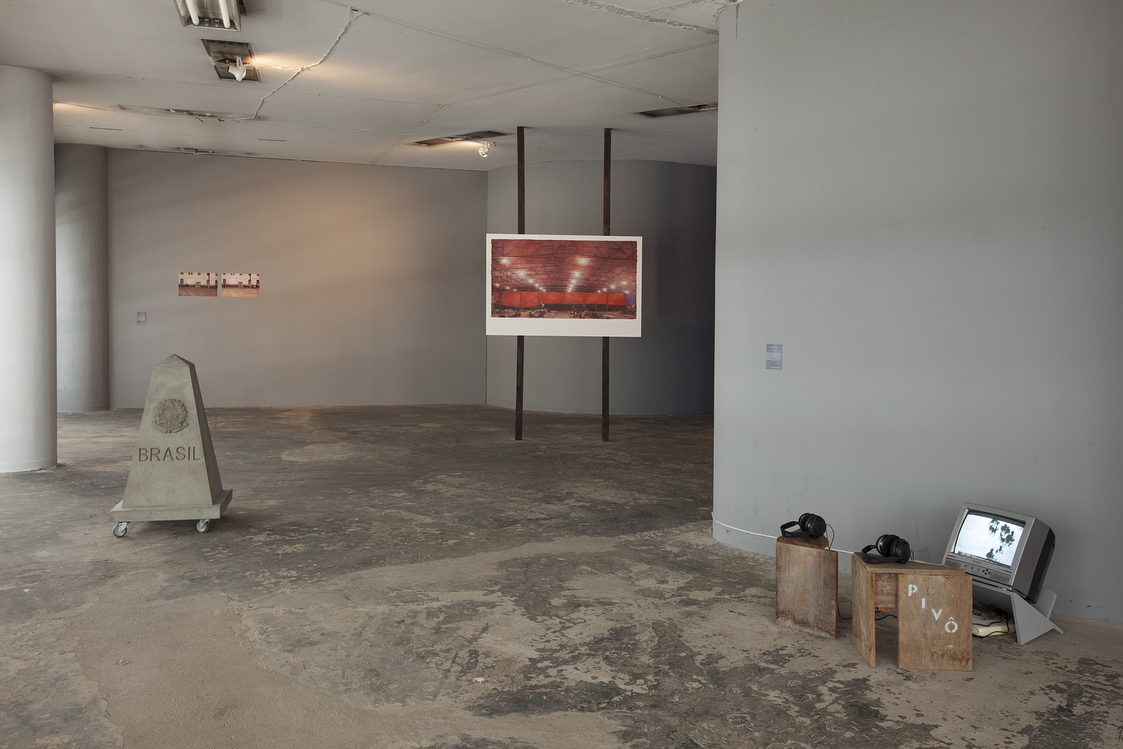
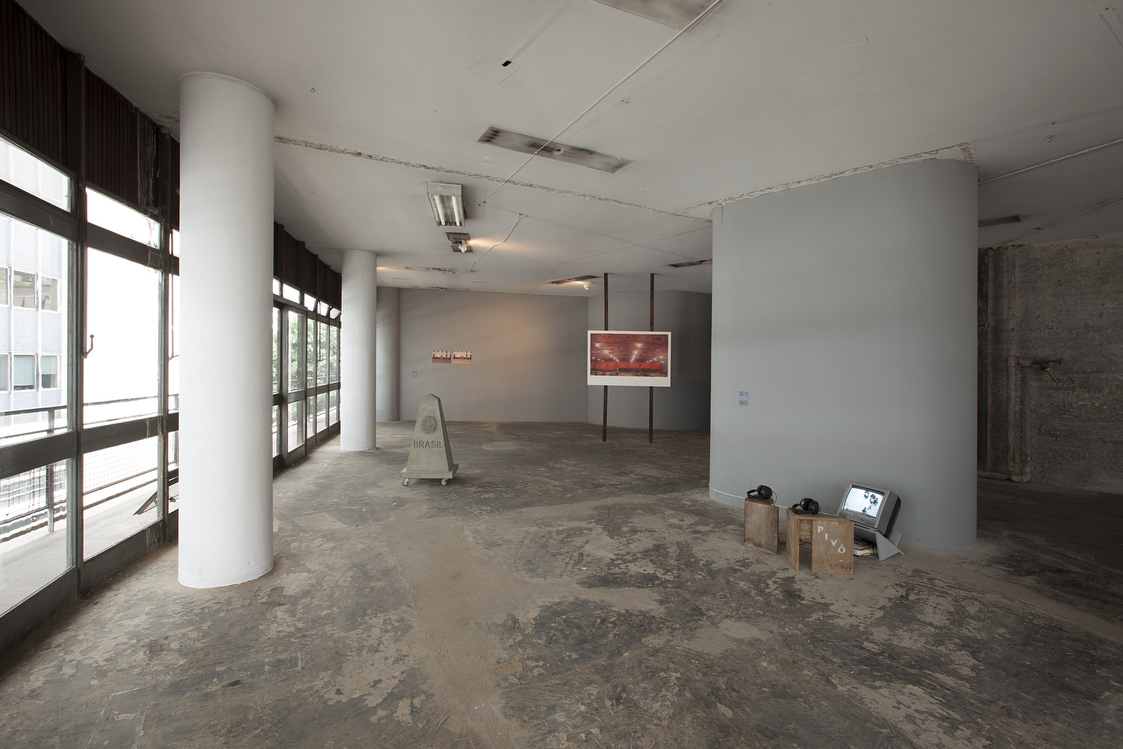
The show É Possível, Mas Não Agora occupies several exhibition spaces at Pivô, incorporating video, installation and painting by artist Regina Parra who, over recent months, has worked in dialogue with Ana Maria Maia, the exhibition’s curator. The works displayed merge the frontiers between reality and desire, inclusion and exclusion, the I and the other, stemming from the artist’s observations on migration movements.
According to the curator, “the exhibition intersperses the documental and the metaphorical, and is placed in the gap between the beginning of an ethnographic exercise (or human geography) on recent immigration to São Paulo and essays on the act of migrating, being a foreigner, and the fruits of search and desire”.
In the video São Vãos os Esforços, a human billboard ditches his usual sandwich board slogan “I buy gold” to advertise impossibilities. The painting Zona de Espera captures the idle time that is typical of places of transition and temporary shelters.
A foosball table brought from Bolivia by immigrants traverses the exhibition room wall. The installation Metegol is at the same time an invitation to meet and its own negation.
Frontier landmarks – pieces made of solid wood or concrete used to demarcate territories – gain mobility in the world of fluid limits of Política Sem Imaginação É Burocracia.
An award winner at the Fundação Joaquim Nabuco Video-Art Competition, the video 7.536 passos follows the artist on a walk from central Praça da Sé to Brás, a region in the East of São Paulo that is a frequent destination for illegal immigrants. Her journey is solely guided by the sound of a radio tuned to frequency 94.3 FM, which is an empty frequency used by pirate radio broadcasting outside state control.
According to curator and researcher Moacir dos Anjos, Regina Parra “crosses the frontiers within the city and creates – step-by-step – a geography of proximity”.