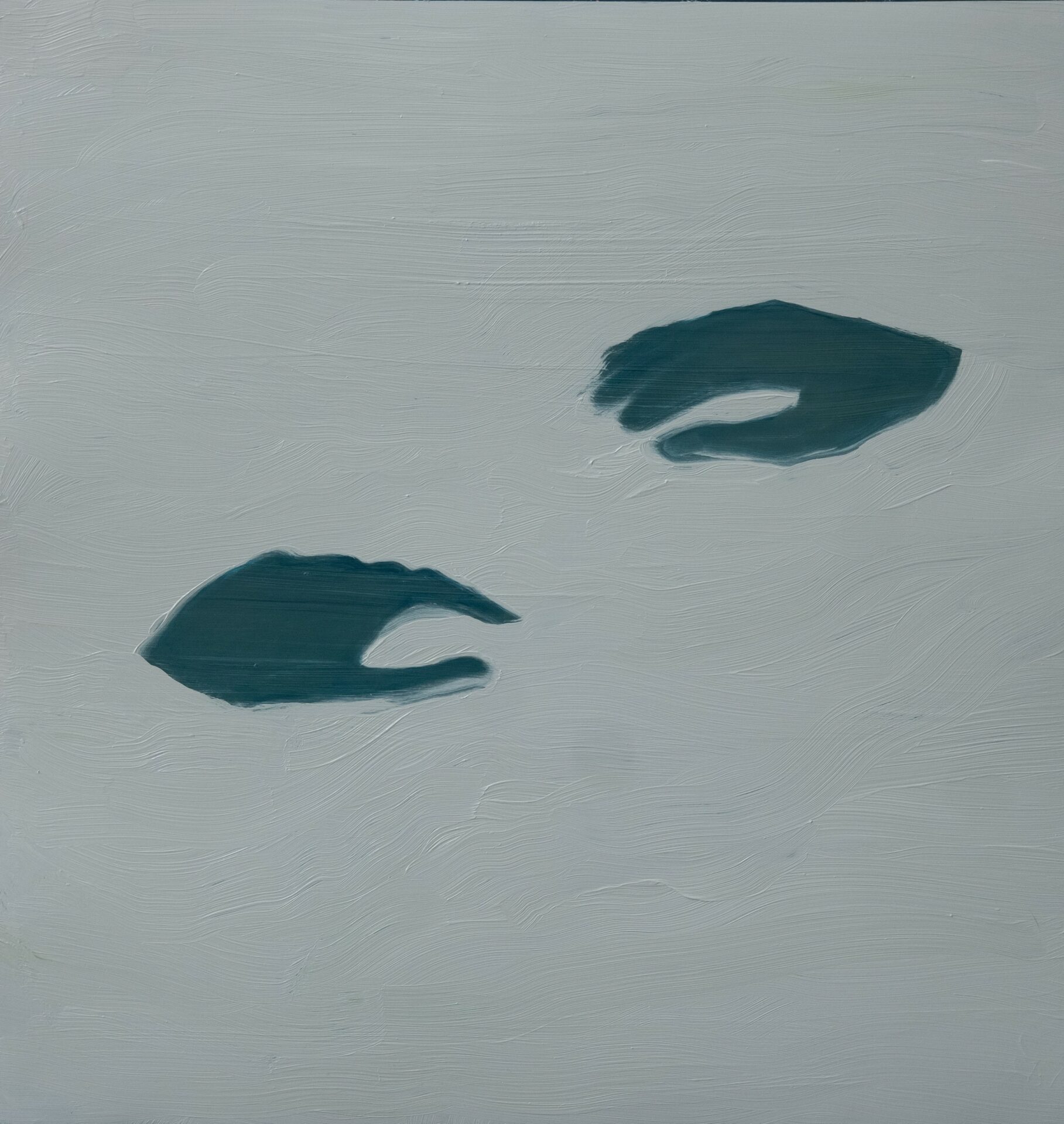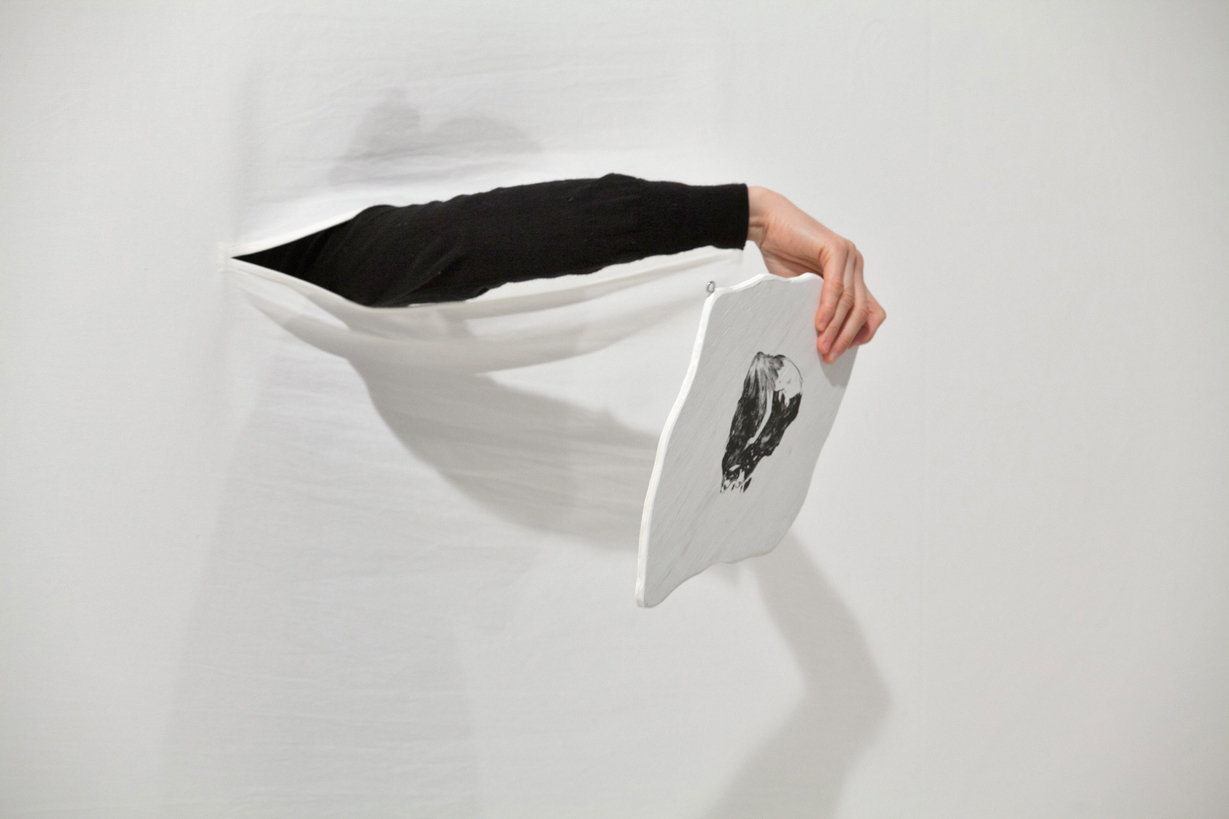
Satélite #2
O ASSOMBRO DOS TRÓPICOS
A experiência do espanto deu-se em vias de mão dupla, quando da chegada de outrem, nas águas da Guanabara, há muito tempo… Triunfava então a farsesca narrativa da “descoberta” dos trópicos, as míticas terras abaixo da imaginária linha do Equador cuja exuberância natural compensaria a ausência dos hábitos da dita “civilização”.
O mesmo choque causado pela luz tropical (implacável ao perfurar a retina dos que aqui desembarcavam) hoje lhes é endereçado na forma de fogo, imagens e devoração.
Se os discursos históricos ao redor da ideia de trópico (e do signo da tropicalidade) foram responsáveis por acachapar a complexidade da(s) cultura(s) daqui, como pensar hoje contranarrativas que ultrapassem tais noções hegemônicas? Ao desfigurar o seu passado, tornariam-se os trópicos terras férteis para especulações acerca do porvir? Ou seria a própria ideia de trópico uma abstração em si: uma ficção barroca fadada eternamente a incompletude. Ignóbil, impossível, enfim…?
O ASSOMBRO DOS TRÓPICOS propõe-se uma curadoria-narrativa — uma exposição-filme em quatro planos-sequência, um exercício de ficção especulativa em quatro capítulos — a partir das proposições dxs artistas que a compõem.
Tal costura investigativa desenrola-se em regime de intertextualidade entre as imagens e contra-imagens da produção audiovisual do coletivo Anarca Filmes; as coreografias de fogo em torno de monumentos históricos propostas por Diambe; a metadeglutição de diferentes signos tropicais da obra de Rafael Bqueer e os corpos insubordinados da prática performática de Davi Pontes & Wallace Ferreira.
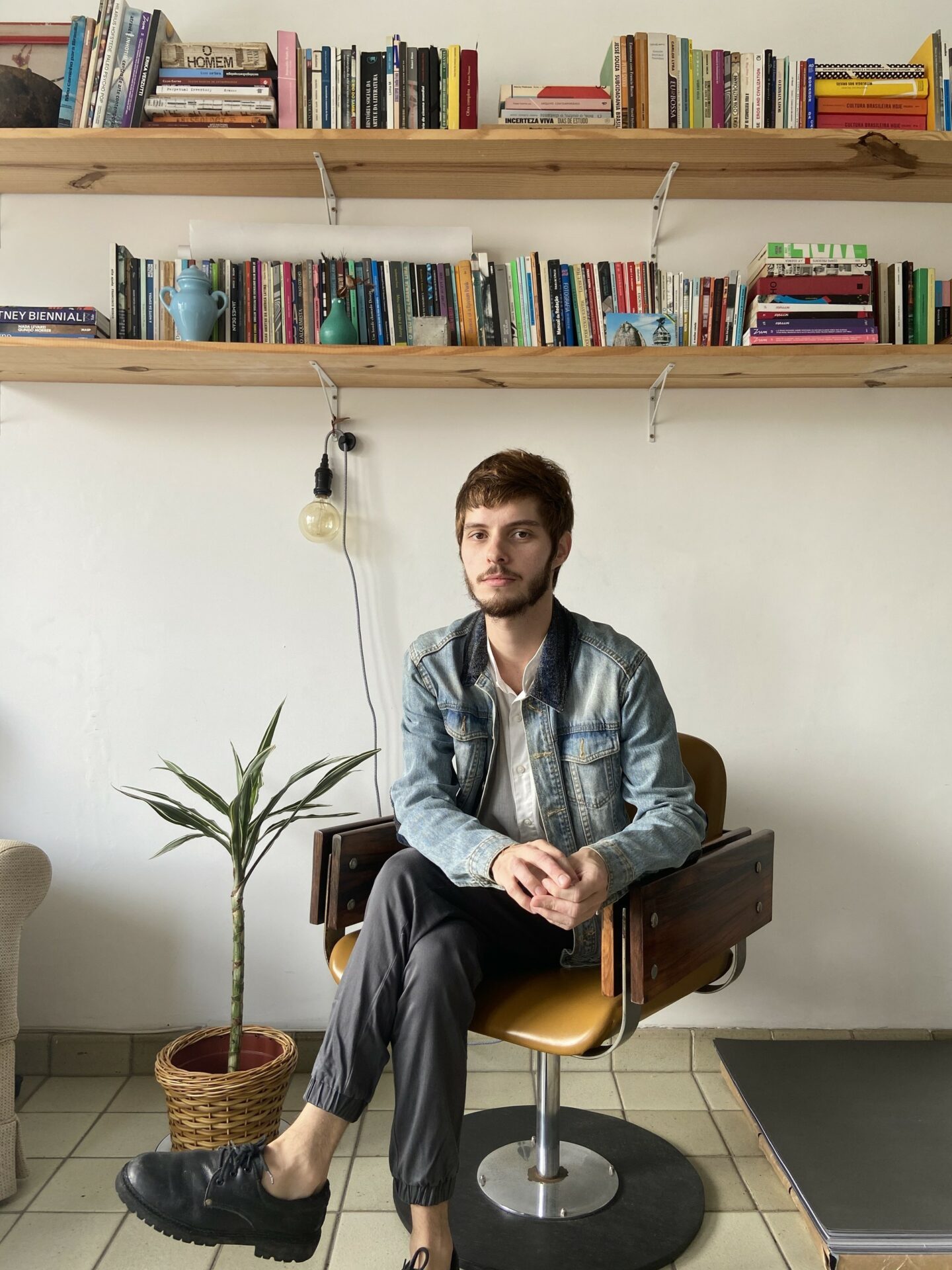
Victor Gorgulho (Rio de Janeiro, 1991) is a curator, journalist and researcher based in Rio de Janeiro. Graduated in Journalism from ECO-UFRJ. He holds a master’s degree in Literature and Contemporary Culture from PUC-Rio.
Curated the exhibitions We live in the best city of South America, along with curator Bernardo José de Souza (Átomos, Rio de Janeiro, 2016 and Iberê Camargo Foundation, Porto Alegre, 2017); The third world asks for a blessing and goes to sleep (Despina, Rio de Janeiro, 2017); I’ve always dreamed of a museum in fire – Laura Lima & Luiz Roque at Carlos Werneck’s Puppet Theater (Rio de Janeiro, 2018); Perdona que no te crea (Fortes D’Aloia & Gabriel, Rio de Janeiro, 2019).
Co-curator, with Keyna Eleison, of the exhibition Engraved in the body, at Carpintaria, Rio de Janeiro, on view until February 2021.
Since 2019 he is the curator of MIRA, ArtRio’s videoart program. He is part of the curatorial body of Despina, a research center and artistic residency space in Rio de Janeiro, under the direction of Consuelo Bassanesi. At the space’s cineclub, has promoted the screening of films and conversations with artists such as Cristiano Lenhardt, DISTRUKTUR and Karim Aïnouz.
As a journalist, he worked as assistant editor of culture for Jornal do Brasil (2014-2017) and today collaborates with vehicles such as El País Brasil. Co-organizer, along with critic and curator Luisa Duarte, of the book No tremor do mundo – Essays and interviews in the light of the pandemic (Editora Cobogó, 2020).
Guest curator Pivô Satélite 2021 #2
Satélite #2
Satélite #2
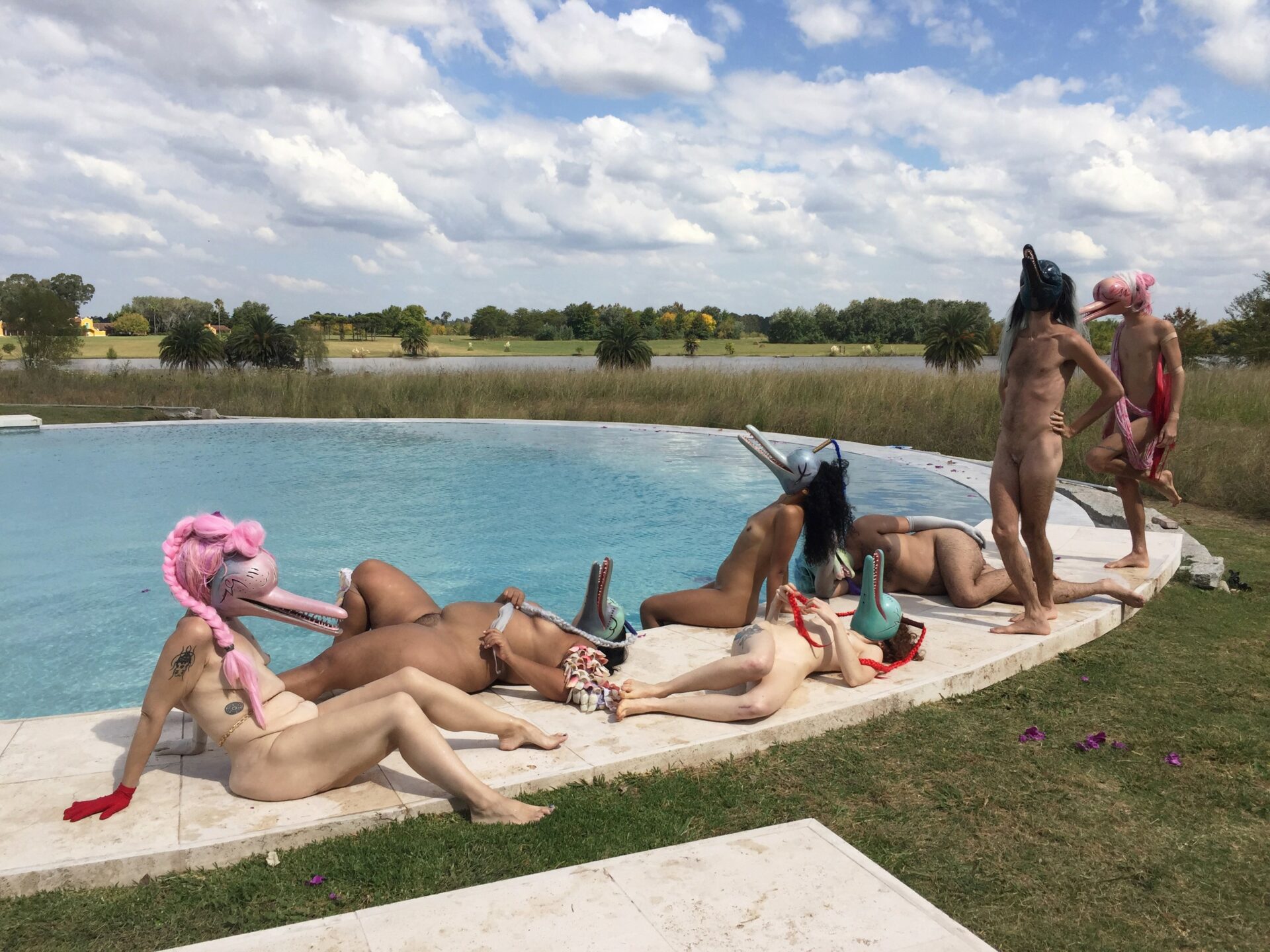
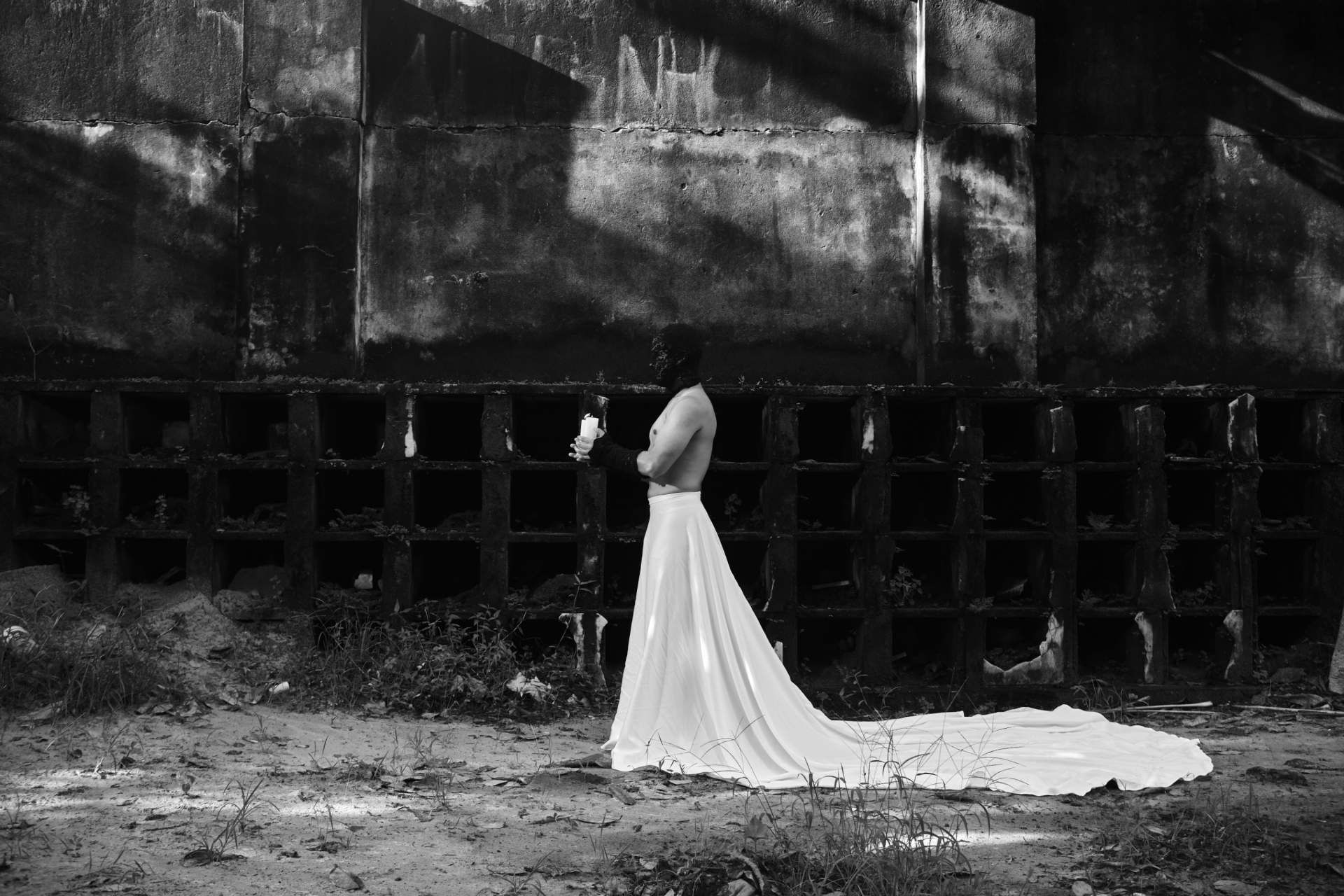
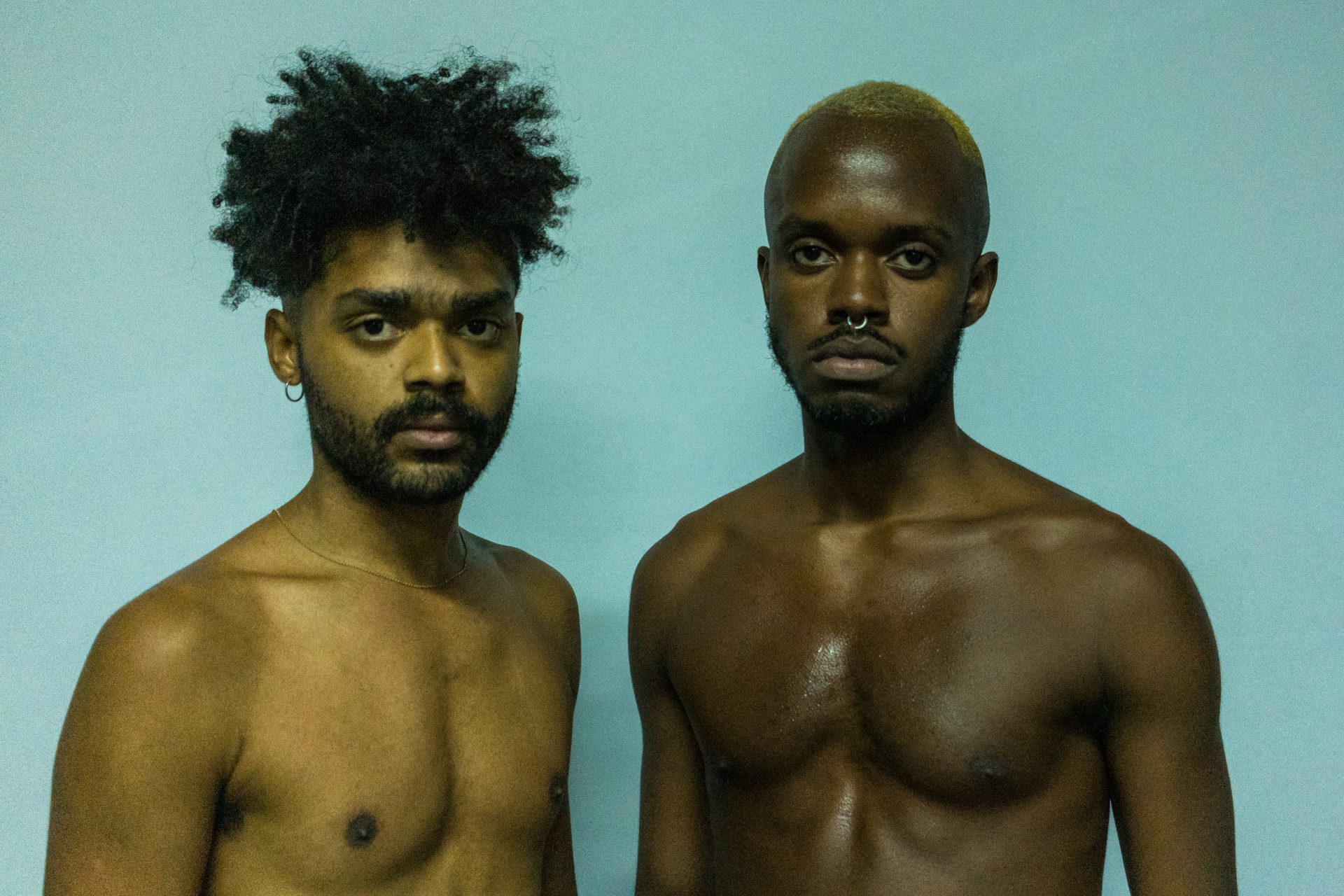
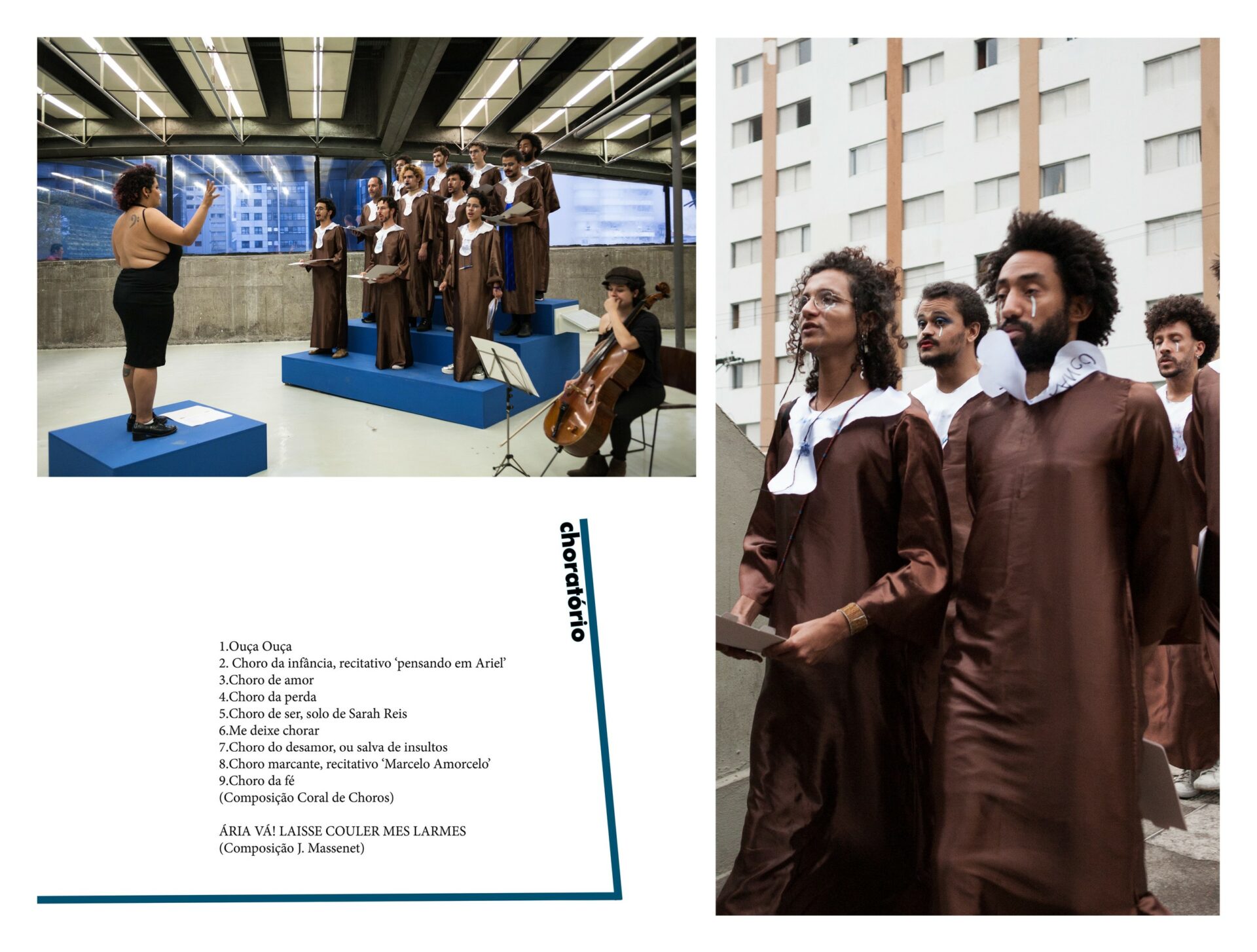
Since 2019, Davi Pontes and Wallace Ferreira have been developing a joint practice that is conjured in the intersection between dance and visual arts. The duo performs masterly choreographies that investigate the relationship between duration and exhaustion, repetition and precision, engendering hybrid territories between dance and defense.
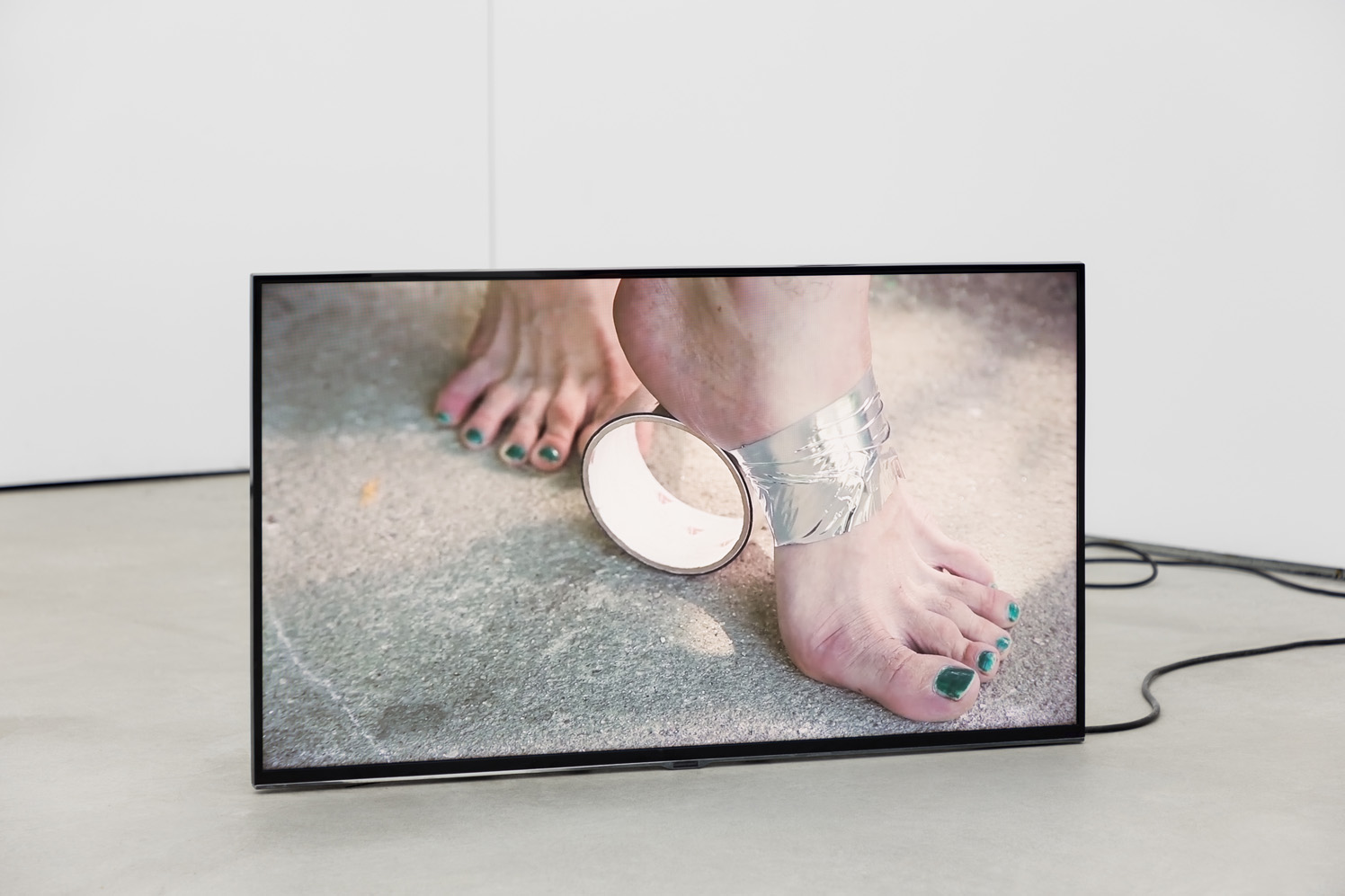
The bodily expression at play in their works evokes the ideas of Brazilian thinker André Lepecki, for whom the concept of “choreo-politics” refers to a “profound intertwinement between movement, body and place”. In the film To Rave the Racial, commissioned by Pivô Satellite, the duo – with the collaboration of other agents working in the fields of photography, soundtrack, costume design, and art direction, amongst others – expands on issues introduced with Repertório n.1 [Repertoire #1], their first collaborative piece produced between 2019 and 2020.
[*] André Lepecki, Corepolítica e coreopolícia, 2013.
Davi Pontes (São Gonçalo, 1990)
Artist, choreographer and researcher. Graduated in Arts at Universidade Federal Fluminense and Master’s student in the Postgraduate Program in Arts (Contemporary Studies of the Arts) at the same institution. He studied at the ESMAE Superior School of Music and Arts (Porto, Portugal).
Since 2016 he has presented his work in art galleries and national and international festivals, mainly at the University of Pennsylvania (USA), Pivô (São Paulo), Centro Cultural de Belém (Lisbon), Rua das Gaivotas 6 (Porto), Galeria Vermelho (São Paulo), Valongo International Image Festival (São Paulo), Rumos Itaú Cultural 2021 Program, Panorama Festival (Rio de Janeiro), Artfizz – HOA Galeria (USA) and resident in the Pivô Arte Pesquisa Program, in the Research Residency Program in arts at MAM Rio and at the Escola Livre de Artes – ELÃ, among others. He directed the film Rave the Racial in partnership with the artist Wallace Ferreira, a work commissioned by the Pivô Satellite Program, 2021.
Developing a research that starts in the body, his practice carries the constant challenge of positioning choreography to respond to its own ontoepistemological conditions -, to serve politically in the face of the conditions in which it is being practiced. The artist has dedicated his practice to deepen the concepts of raciality, choreography and self-defense and their entanglements based on the idea of archive contained in the production of History.
Wallace Ferreira (Rio de Janeiro, 1993)
Dance artist, performer, visual artist born and raised in Vigário Geral, a suburb of Rio de Janeiro. His first artistic reference arises in childhood with his family, where everyone dances and builds their relationships through affection and movement. With the encouragement of his father, he began his studies in dance as a child. Projecting futures previously dreamed. He studies Dance at Universidade Federal do Rio de Janeiro (UFRJ), building strategies and choreographing actions to escape representations. Through undisciplinary practices, his creations cause accidents in the languages of dance, theater, performance and the visual arts, investing in the perception of himself as a possible path of muscular dreams. Through other perspectives, new visions of the self. His work is also an obsession with entering layers of the invisible, inhabiting fragilities, accumulating movements that wish to blur certainties and dispute narratives. To betray words and produce images to touch with your eyes. Driven by the challenges of tensioning the present, since 2017 he has been presenting his works in art galleries, national and international festivals such as Pivô Satellite, Festival Panorama, ArtRio, Presença Exhibition, HOA ART, Artfizz. Among his most recent works, highlight to the trilogy “Repertório” in partnership with the artist Davi Pontes who was at the VERBO Exhibition at Galeria Vermelho, Valongo International Image Festival in São Paulo, Segunda Preta, Belo Horizonte, Anita Schwartz art gallery, Rio de Janeiro.
Participating artists of Pivô Satellite #2
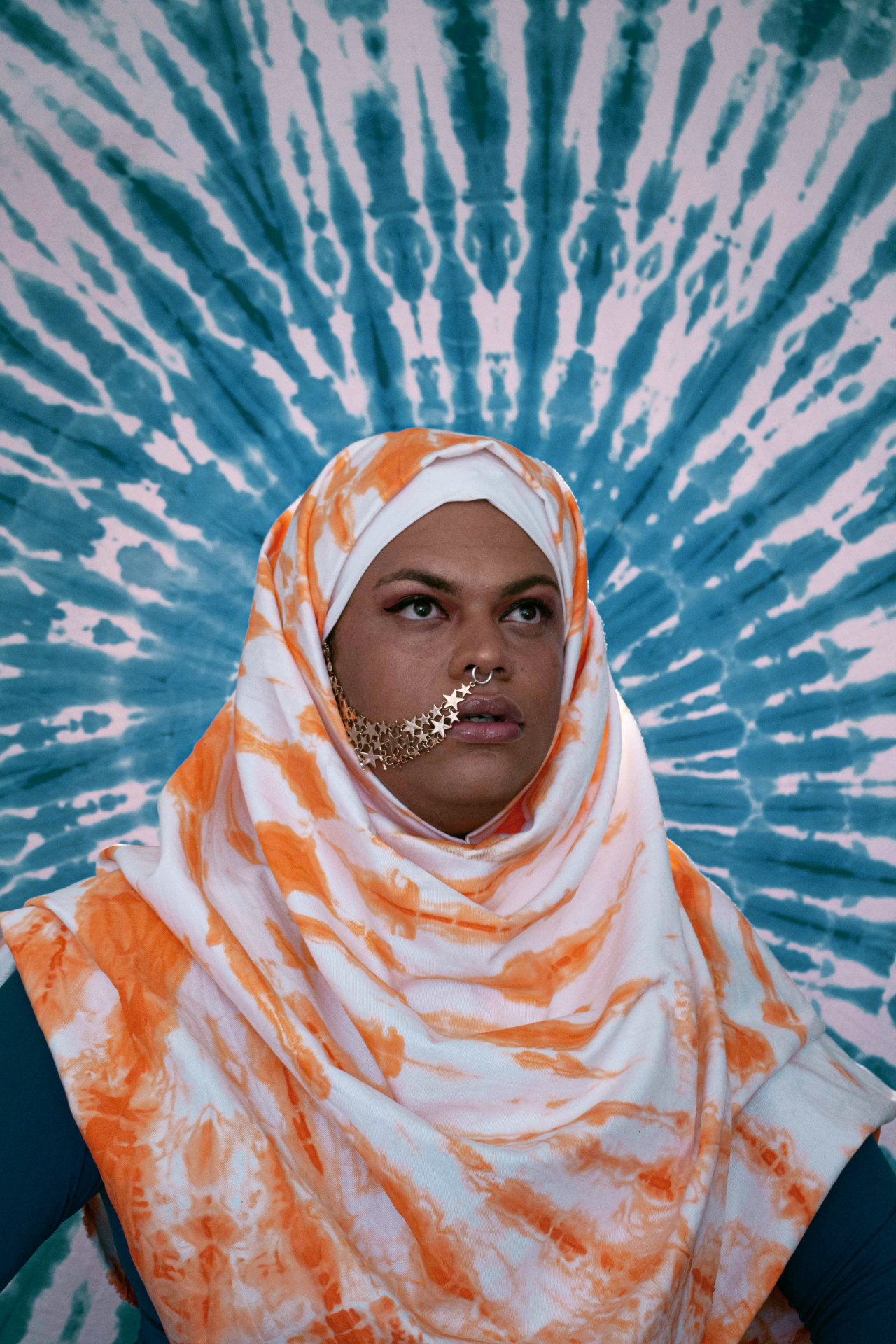
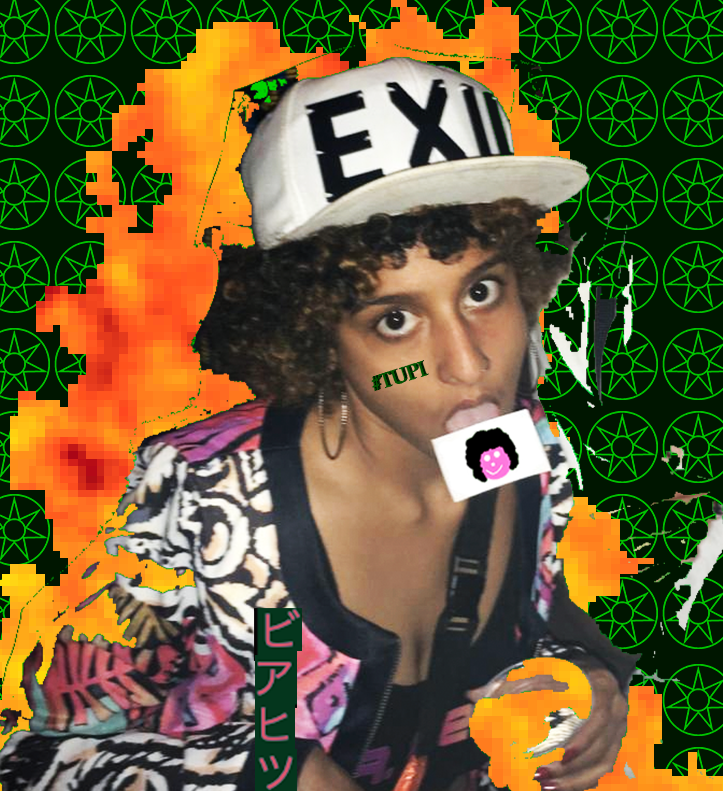
Making use of performance, video and photography, the practice of Rafael Bqueer (Belém, 1992) conjures an often transversal investigation of themes such as Afro-fictions, gender and mass visual culture. His work has the strong mark of Pará’s drag culture – a scene that he has been part of since his youth – and an enthusiasm for devouring foreign symbols, from Power Rangers to Alice in Wonderland. Such devouring, thought from a perspective of the North of the country, gains even more complex nuances in a discussion about the contradictions of the ideia of tropicality.
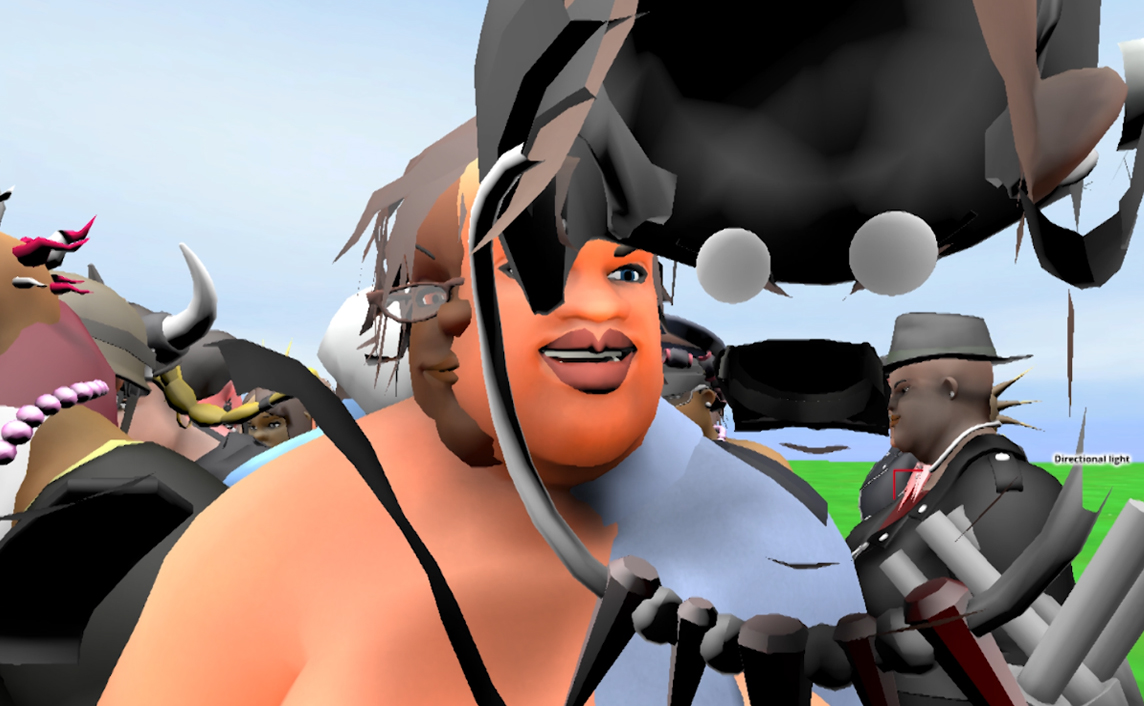
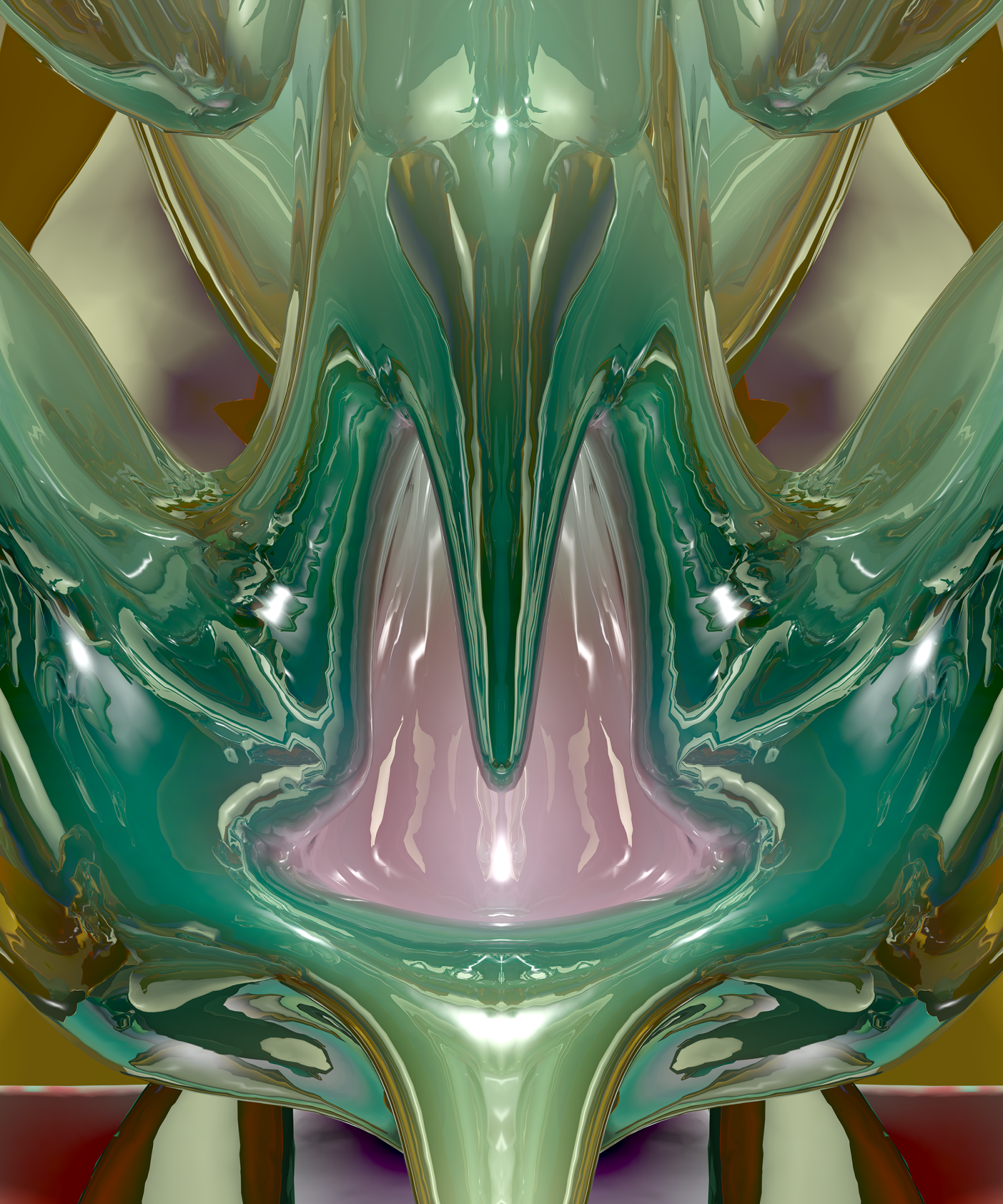
In his proposition for the current edition of Pivô Satellite, Bqueer presents Tecnocabana (Tecno-Hut), a project that consists of a virtual sound system inspired by the audio equipment typically used in tecno-brega parties in the outskirts of the main cities of Pará. The title refers to Cabanagem (“cabana” in Portuguese means hut), which was a popular uprising that took place between 1835 and 1840 in Belém, led by local indigenous and black people living in precarious conditions during the Regency period and demanding better living conditions.
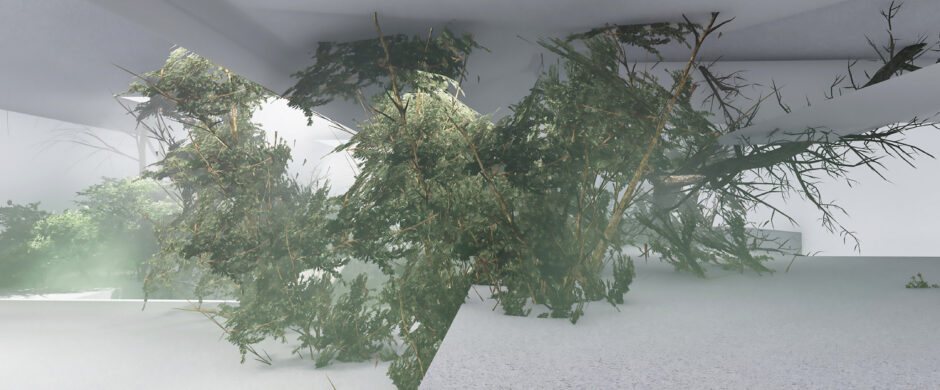
Bqueer’s proposition intersects different temporalities as a way of adding complexity to the often archetypal representations of the Amazon in the contemporary art field. For Bqueer, the Amazon is the stage for narrative and critical disputes that are crucial to understanding Brazil today. Also at play is an interesting use of the Pivô Satellite platform’s project dimension. Bqueer’s Tecno-Hut has been developed as a virtual sculpture and project, which we hope one day will occupy the physical space in all its exuberance.
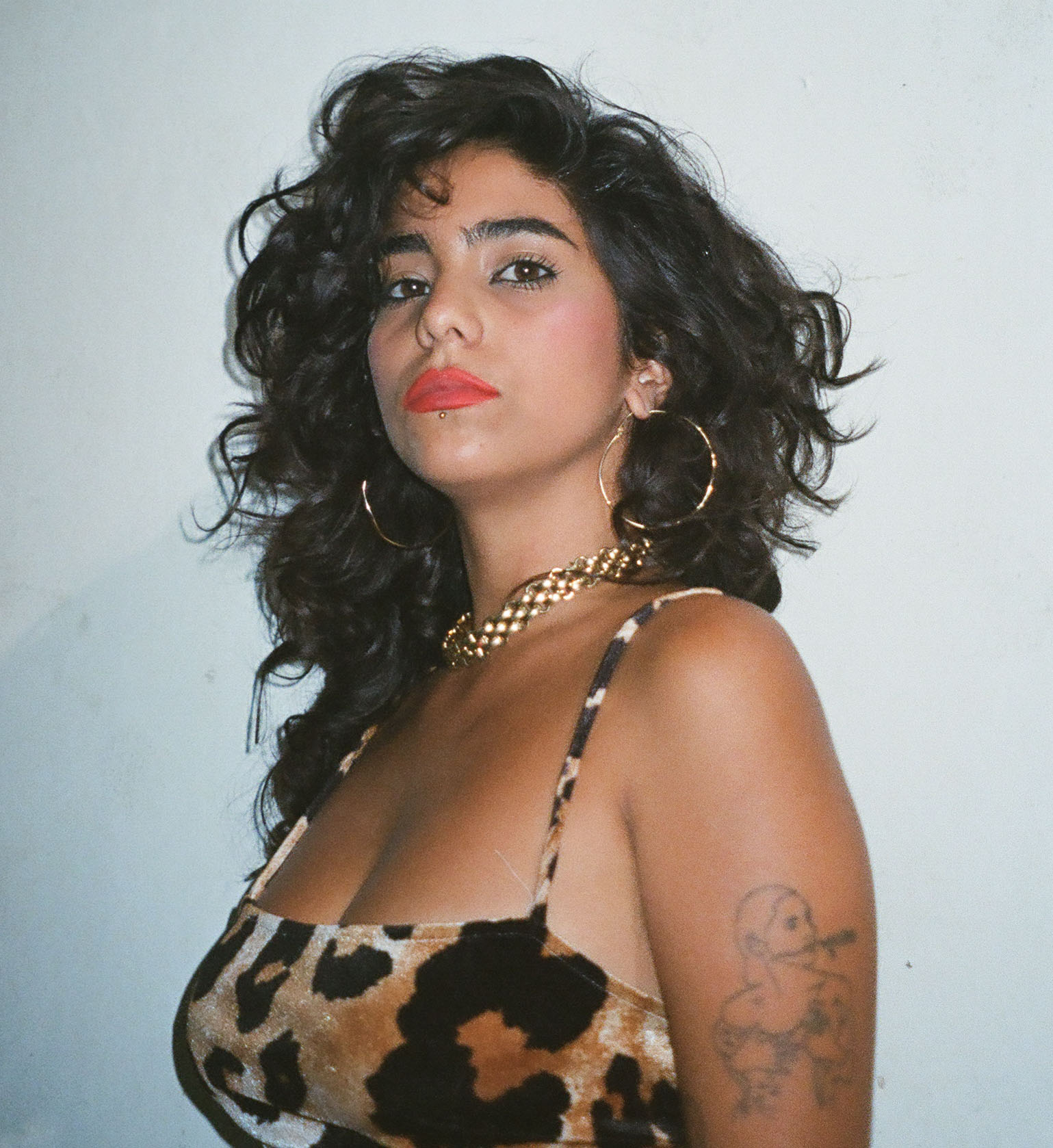
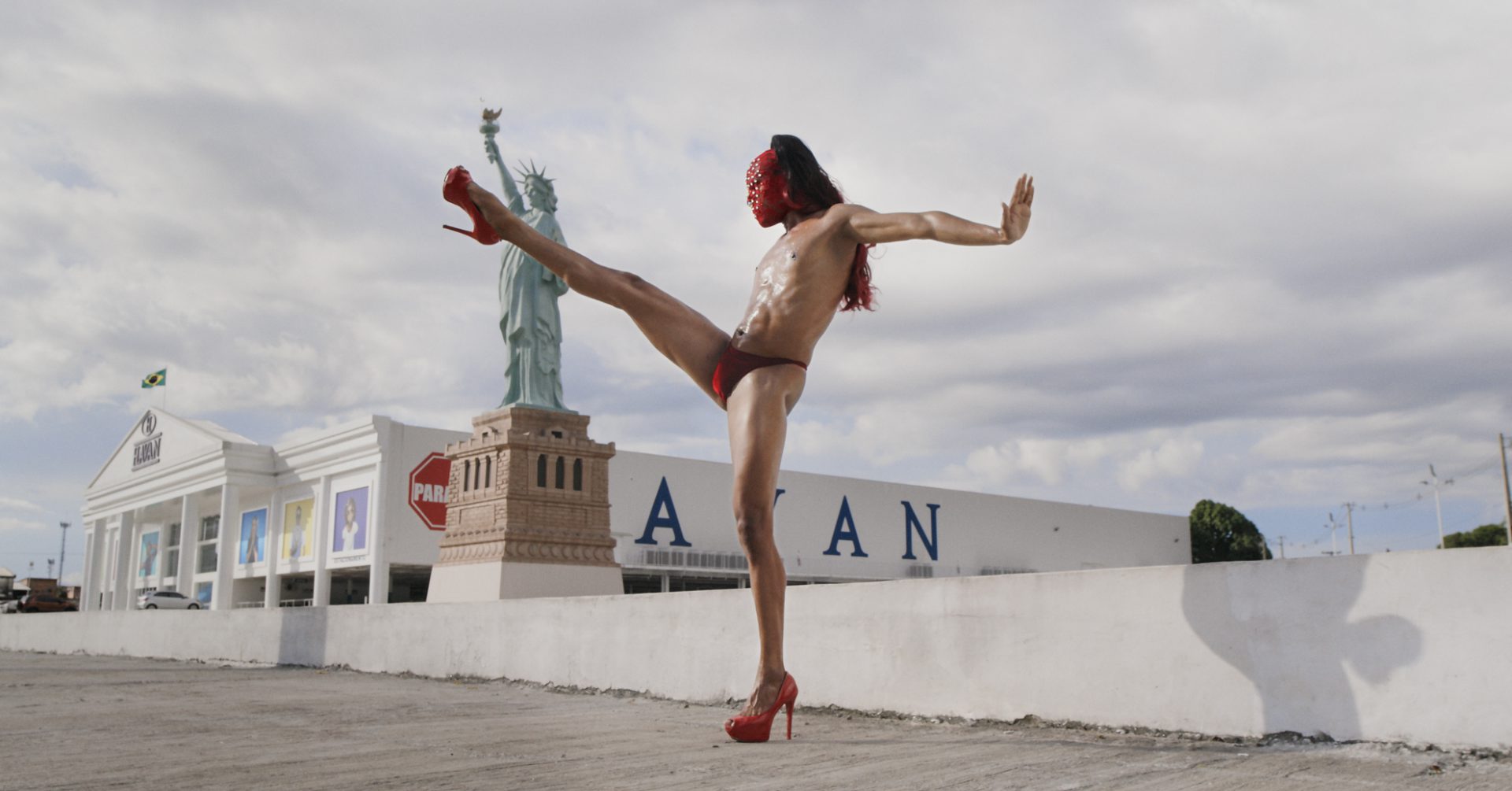
In her practice, Diambe (Rio de Janeiro, 1993) moves between audiovisual, sculpture and dance, often exploring the intersections between these fields. In her proposition for the second edition of Pivô Satellite, the artist presents two brand new works, joão VI (from the series Devolta) and Einstein Remix. The first one follows on from Diambe’s fire choreographies performed around historical monuments in Rio de Janeiro.
The notion of choreography is stretched to different agents (Diambe’s “pals”), who are invited to make a string of fabric – a so-called “Teresa” made of different items of clothes – around public statues of figures such as D. Pedro I, D. João VI and Princess Isabel, that controversially symbolize the triumph of the Brazilian colonial project. Following the first ritual, the artist sets the string on fire, creating a circle of flames whose controlled duration is not aimed at destroying the public figures on their podiums, but at instating a powerful, yet ephemeral, allegorical image that challenges them.
In Einstein Remix, the artist’s pals are invited to individually read a poem of the same name by Ricardo Aleixo, from Minas Gerais. Each performer, in their own way, seeks to decipher the visual text originally formatted as a chessboard capable of numerous linguistic and lexical combinations. Here, the notion of choreography gains nuance in a collective cacophony, where the attempts to speculate about the figure of “god” form a solitary dance floor sustained by the power of collectiveness, in a similar way to other works in Diambe’s instigating and potent practice.
Diambe da Silva was born and raised on the outskirts of Rio de Janeiro. Her artistic production moves between cinema, sculpture and choreography and often deals with materialities like cement, food, engraving, photography and words that are elaborated to the extent that she creates companions in situations of diaspora. Her work was exhibited in Museu de Arte do Rio (Casa Carioca), Paço Imperial (Esqueleto, uma história do Rio), Galpão Bela Maré (Transcendências), Escola de Artes Visuais do Parque Lage (Arte Naïf; Estopim e Segredo), Carpintaria – Fortes D’Aloia e Gabriel (Escrito no corpo), Despina (Cartões de revisita) and 25º Salão de Artes de Anápolis. She also participated in the residences MAM / Capacete (2020), Despina (2019), Estado crítico (2018) and in the itinerary program Residência Cem Teto (2019-2020).
http://cargocollective.com/diambe
https://vimeo.com/387099169
Instagram: @diambe_eu_vc
Participating in Pivô Satellite #2
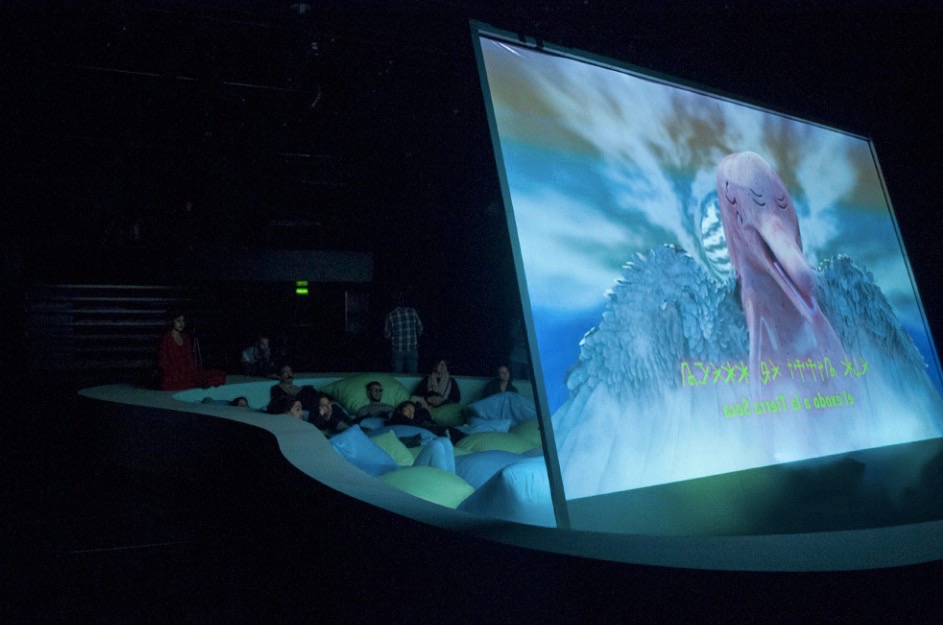
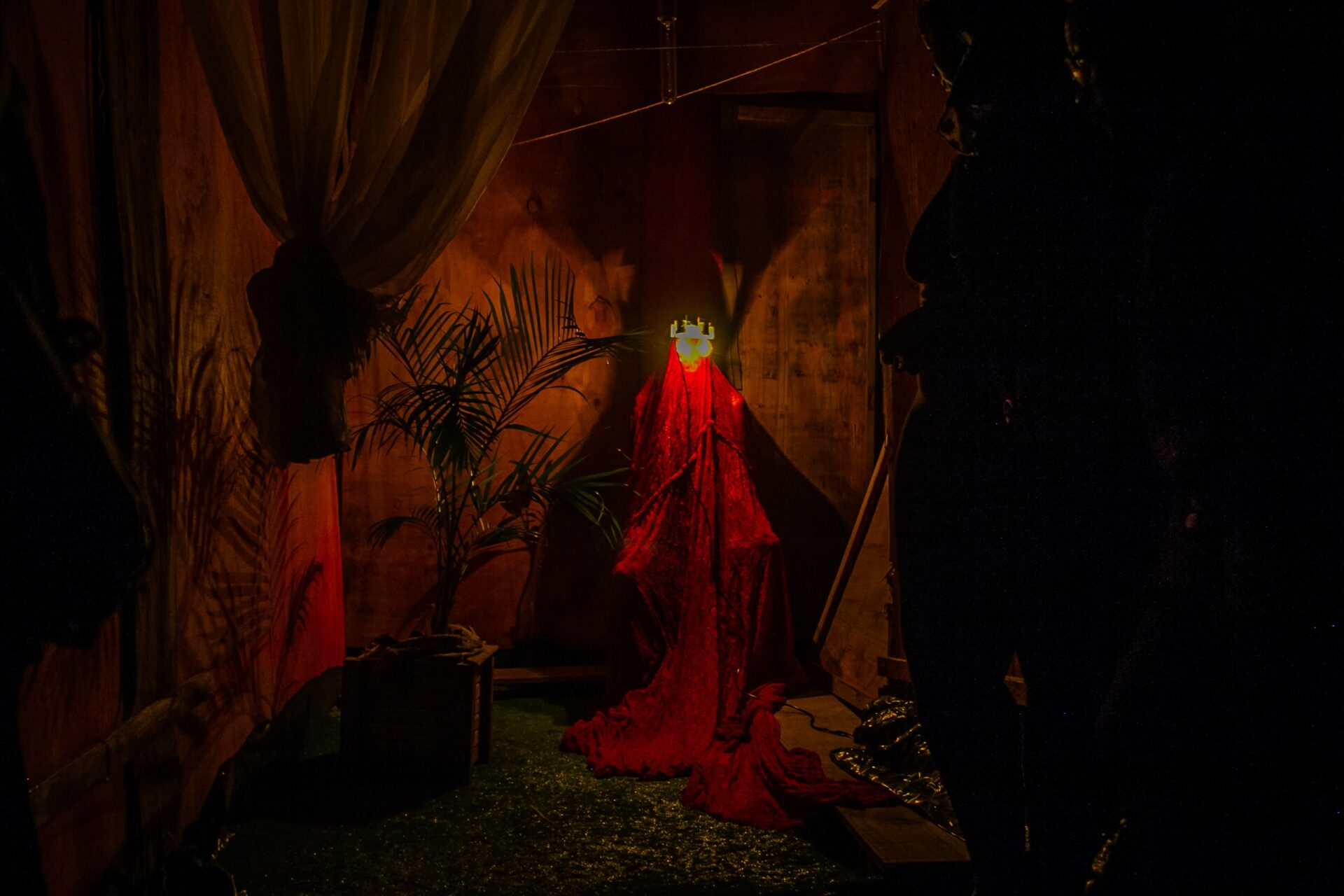
Since 2014, the collective Anarca Filmes, from Rio de Janeiro, has been producing films and videos that circulate in cinema festivals and the contemporary art circuit, as well as in the night scene of cities such as Rio de Janeiro and Recife, where its members operate in multiple ways. The idea of anarchy contained in the collective’s name evokes the modus operandi of their audiovisual practice. Their images seem to perform a constant devouring of signs, of the other, and, above all, of themselves. Their procedural freedom and linguistic experimentalism evoke the Brazilian marginal cinematic productions of the 1960/70s, led by filmmakers such as Rogério Sganzerla and Júlio Bressane and performers/actors Helena Ignez and Maria Gladys.
For the duration of the collective’s occupation of the Pivô Satellite platform, they will be presenting the project Desire-Factory Against the Industry of Fear, which is divided into three different moments: the inaugural session TERRÍVEIS [Terrible], featuring a selection of films produced during the ANTI art-residency in Rio de Janeiro in 2018; the premiere of a film specifically commissioned for this occasion; and, finally, a session called TAPETE VERMELHO (Red Carpet) with a selection of the group’s main films so far.

Português